
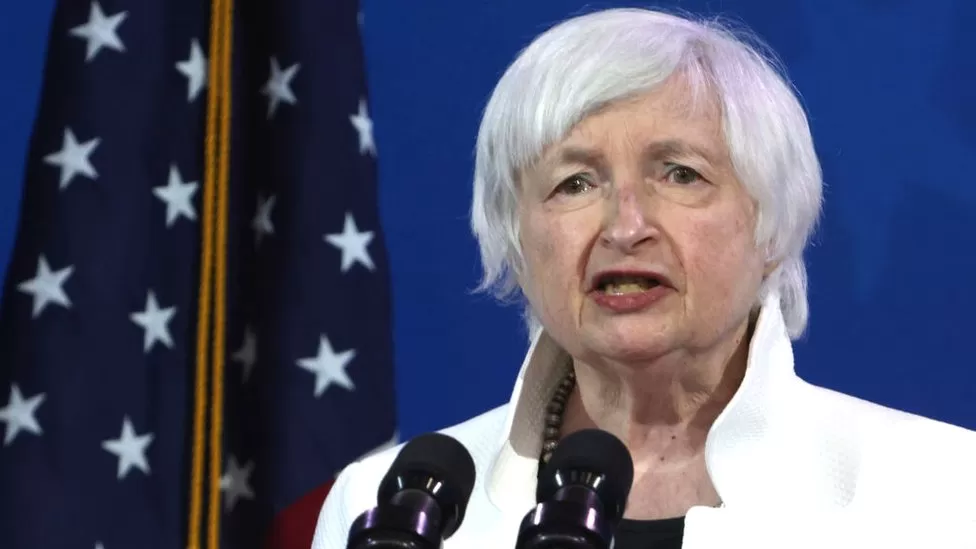
In a pivotal development at the annual IMF and World Bank meetings, U.S. Treasury Secretary Janet Yellen has conveyed optimism regarding a significant shift in the International Monetary Fund’s (IMF) lending resources. This plan, endorsed by the United States, seeks to establish a more balanced approach to quota-based lending resources within the IMF, reducing its reliance on borrowing.
Under this U.S.-backed initiative, IMF member nations are expected to contribute towards a proportional increase in quotas, aligning with their existing shareholdings. While there is consensus on the need for greater IMF resources, there is a notable divergence of views concerning the formula used to allocate quotas.
Countries like China, Brazil, and India, often referred to as emerging economic giants, have expressed their ambitions for more significant shares and influence at the IMF. However, the current plan temporarily defers such aspirations, a point conveyed to China during discussions with People’s Bank of China Governor Pan Gongsheng.
China, due to its substantial global presence, insists on a larger quota share. In response, Yellen emphasized the necessity for a comprehensive review of the quota formula rather than ad-hoc adjustments.
The proposed U.S. contribution to this quota increase, however, presents a unique challenge. It requires approval from the U.S. Congress, where anti-China sentiments are running high. Janet Yellen’s plan, designed to sidestep a politically charged situation, offers a pragmatic solution.
Indian Finance Minister Nirmala Sitharaman joined the chorus of support for the U.S. plan, viewing it as an “immediate, interim remedy” to address the pressing need to bolster IMF funding.
She stated during an Atlantic Council event in Marrakech, “The proportional quota system appears to be the least contentious way to tackle this matter.”
This “money-now, shares later” approach is gaining traction among IMF stakeholders. Yet, IMF Managing Director Kristalina Georgieva emphasizes the need to set a deadline for reshaping the organization’s shareholding structure, ensuring greater representation for the burgeoning economies.
British Finance Minister Jeremy Hunt has expressed his faith in the U.S. plan’s viability while underlining the importance of adjusting shareholdings to safeguard the IMF’s credibility.
The global financial community now anticipates how this proposal unfolds, as nations collaborate to address international financial crises with a fair and effective approach.
Photo: Getty Image
By: Montel Kamau
Serrari Financial Analyst
14th October, 2023