
In a recent development, the Treasury is grappling with medium to long-term refinancing challenges due to the shrinking maturity times of its bonds, with a concerted effort to avoid the issuance of long-dated securities. This shift has raised concerns about higher principal repayments to investors over a shorter timeframe.
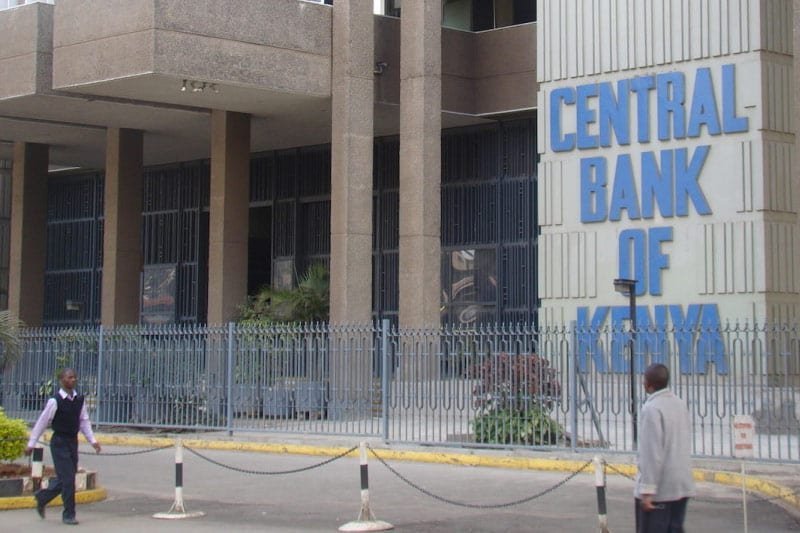
The Central Bank of Kenya (CBK) has released new data indicating that the average time to maturity for bonds has dwindled to 8.5 years as of June, a notable decrease from the mean duration of 9.1 years recorded in November 2022.
This trend has emerged alongside the issuance of short-dated bonds as the government seeks to avoid paying higher interest rates to bond investors for extended periods. Consequently, the CBK has abstained from issuing any new mid to long-tenured bonds throughout the year, except for a 17-year infrastructure bond tap sale in March.
In its place, the central bank has been focusing on issuing new and re-opened bond offerings with terms ranging from two to five years. Nonetheless, analysts argue that the associated risks in the mid to long-term may not necessarily materialize, as the CBK and the National Treasury have previously leveraged ample liquidity in money markets to introduce longer-dated securities as a protective measure.
For example, longer-dated securities have effectively extended the average time to maturity for bonds from 6.2 years in the fiscal year ending June 2018 to 9.1 years by June 2022.
The issuance of long-dated bonds plays a pivotal role in mitigating refinancing risks, allowing the government to spread out principal repayments to investors. However, the government has accepted a lower average time to maturity on bonds as a tradeoff in response to high interest rates driven by escalating inflation, sustained deficit financing from the domestic market, and investor expectations for higher yields.
The Treasury’s avoidance of issuing long-term bonds aligns with its goal of managing interest costs over the long run. The CBK noted in its recent financial sector stability report that, “Long-term bonds bear higher coupon rates for a long time. Therefore, issuing a substantial amount of long-dated bonds in periods of high-interest rates shifts the entire yield curve outward.”
As of October 6, Treasury bonds account for a significant 86.17 percent of the government’s domestic debt, far surpassing the shorter-dated Treasury bills, which represent only 11.52 percent of the domestic debt.
The Treasury is expected to make payments of Sh374.5 billion in internal domestic debt redemptions in the fiscal year ending June. These redemptions are projected to increase, reaching Sh564.4 billion in the 2026/27 Financial Year. The financial community is closely watching as the Treasury navigates these challenges in the evolving bond market landscape.
Photo (Brian Humphrey)
By: Delino Gayweh
Serrari Financial Analyst
16th October, 2023