
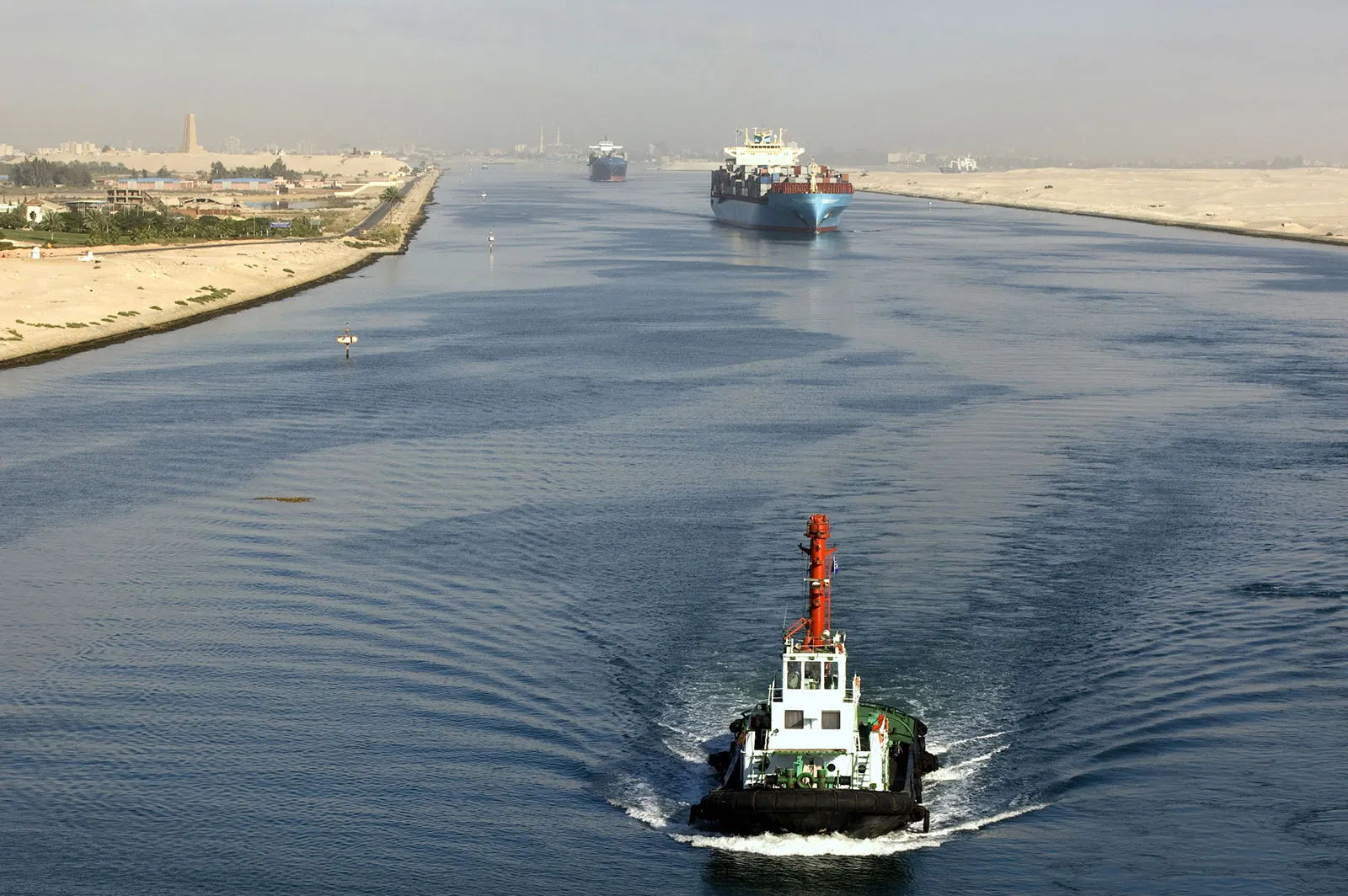
The Suez Canal, a linchpin in global maritime trade, is facing a challenging start to 2024, with revenues witnessing a substantial 40% decline in the first 11 days of the year. Chairman of the Suez Canal Authority (SCA), Osama Rabie, disclosed this alarming figure, shedding light on the canal’s current economic turbulence.
A pivotal factor contributing to this financial setback is the significant drop in transiting vessels through the canal. The numbers have sharply decreased by 30%, plummeting from 777 to 544 in comparison to the corresponding period in the previous year.
However, what makes this downturn particularly noteworthy is the strategic move by eight of the world’s top 10 shipping companies. In response to escalating attacks by the Houthi group, these industry giants have chosen to halt the passage of their vessels through the Red Sea. Despite the longer and costlier alternative route around the Cape of Good Hope, shipping leaders are prioritizing vessel safety over efficiency.
The Suez Canal, celebrated for its role as one of the shortest maritime routes connecting Europe and Asia, serves as a critical artery for global trade. The repercussions of this revenue decline extend beyond Egypt, raising concerns throughout international markets. The canal has been a reliable source of foreign currency for the country, and any disruption in its operations resonates globally.
As industry experts diligently monitor unfolding events, their focus extends to assessing the immediate and long-term impact on global trade patterns. Strategies to mitigate challenges faced by the Suez Canal Authority are being explored, with the economic consequences of this unexpected circumstance expected to reverberate through the shipping industry in the weeks to come. The complex dynamics of global trade are once again under scrutiny as this vital maritime route navigates uncharted waters.
By: Montel Kamau
Serrari Financial Analyst
16th January, 2024