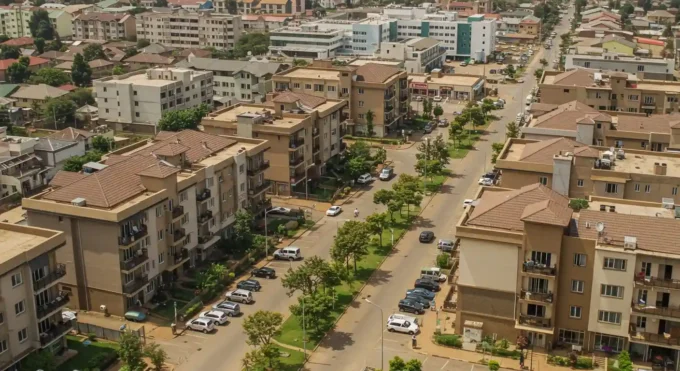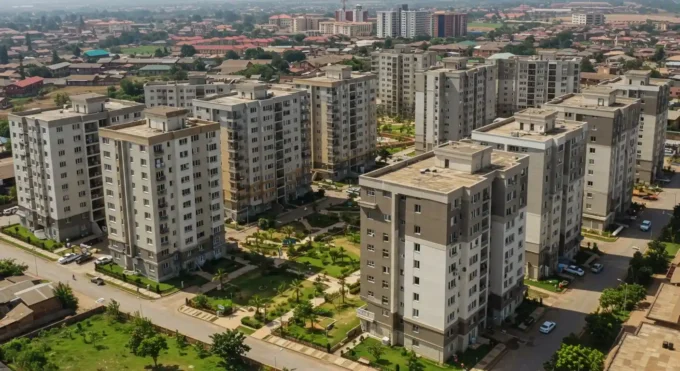

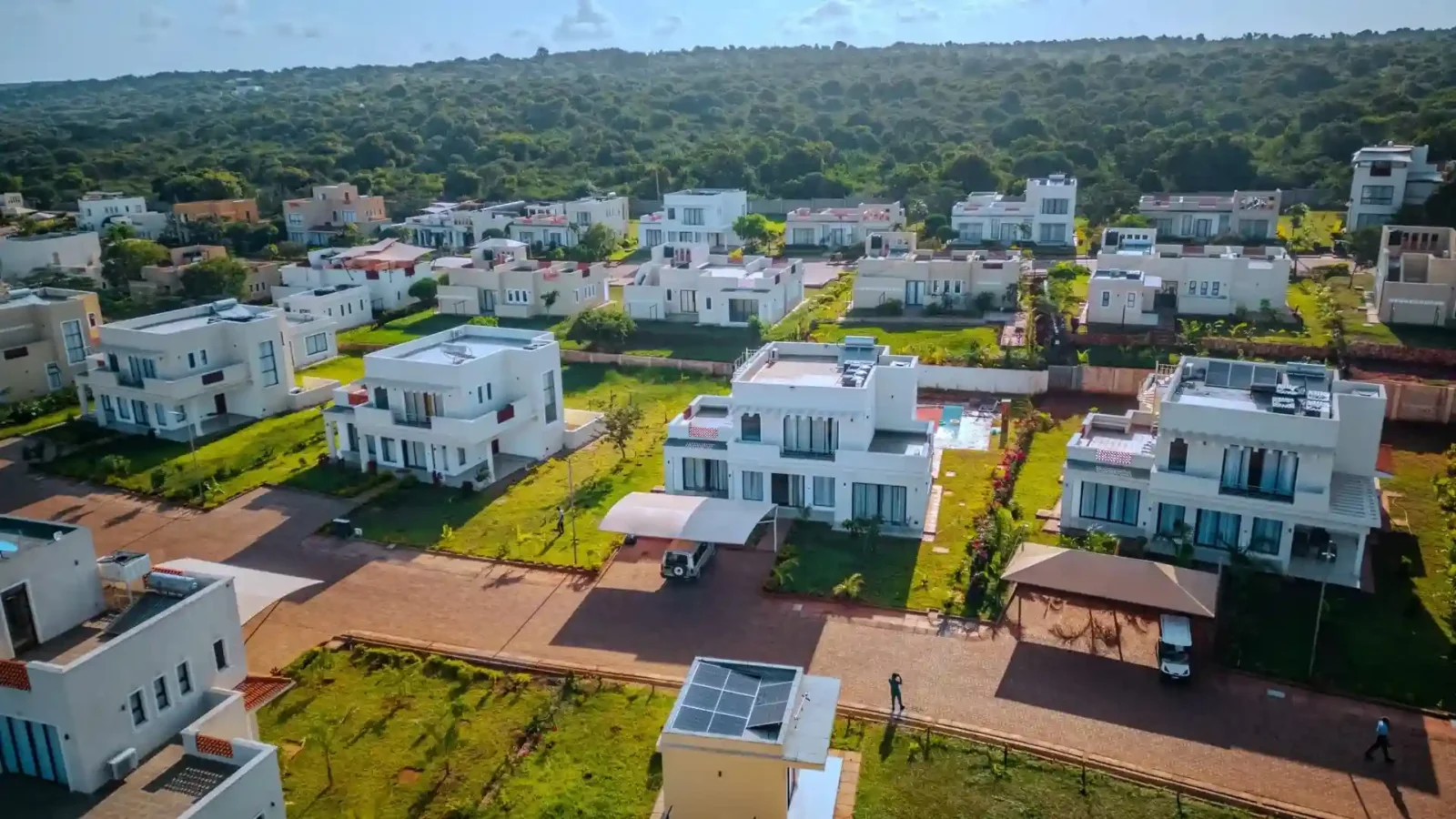
Nairobi’s property market continues to demonstrate a striking paradox. On one side, conversations around affordability dominate headlines, with policymakers emphasizing the need for mass-market housing solutions. On the other, luxury apartments in prime neighbourhoods such as Westlands, Kilimani, Riverside, General Mathenge, and Spring Valley are commanding prices that surpass KSh 50 million, while rental rates in exclusive estates like Rosslyn and Muthaiga exceed KSh 400,000 per month.
Despite economic pressures, high interest rates in recent years, and rising construction costs, demand in Nairobi’s premium property segment remains resilient. Expatriates, multinational executives, diaspora investors, diplomatic staff, and an expanding class of high-income local professionals continue to sustain pricing power in these locations.
A new report by BuyRentKenya highlights the most expensive residential zones in the capital, revealing both high-end rental rates and elevated purchase prices. But beyond the headline figures lies a more complex story—one that reflects structural land scarcity, shifting demographic preferences, urbanization trends, global capital flows, and the evolving economics of high-density living.
This article explores why luxury apartment prices are crossing the KSh 50 million threshold, why affordable housing struggles to penetrate these prime zones, how rental demand remains strong, and what risks and opportunities lie ahead for Nairobi’s real estate market.
Build the future you deserve. Get started with our top-tier Online courses: ACCA, HESI A2, ATI TEAS 7, HESI EXIT, NCLEX-RN, NCLEX-PN, and Financial Literacy. Let Serrari Ed guide your path to success. Enroll today.
Prime Neighbourhoods: The Price Leaders
In Nairobi’s luxury segment, certain neighbourhoods consistently lead both rental and sale price charts.
High-End Standalone Rentals
| Rosslyn | 450,000+ | Gated estates, proximity to international schools |
| Muthaiga | 400,000+ | Elite community, lush greenery, legacy estates |
| Lower Kabete | 380,000+ | Spacious plots, peaceful setting |
| Loresho | 350,000+ | Privacy, security, gated communities |
These neighbourhoods are characterized by low-density zoning, large plots, mature landscaping, and strong security infrastructure. Many residents include diplomats, corporate executives, and expatriate families.
Premium Apartment Locations
In the apartment market, the highest prices are concentrated in:
| Area | Average Price (KSh Million) | Market Position |
| General Mathenge | 60+ | Central, near business hubs |
| Spring Valley | 55+ | Modern, spacious units |
| Kilimani | 50+ | High demand, mixed-use convenience |
In these zones, new developments feature amenities such as rooftop pools, gyms, concierge services, underground parking, and advanced security systems.
Crossing the KSh 50 million threshold for apartments signals a clear segmentation: Nairobi’s high-end residential market is now firmly positioned as a luxury asset class rather than upper-middle housing.
Why Affordable Housing Is Economically Impractical in Prime Zones
The fundamental constraint in Westlands, Kilimani, Riverside, and similar neighbourhoods is land cost.
In prime urban pockets, land values have risen to levels where constructing affordable units becomes financially unviable.
To understand why, consider the cost structure:
- Land acquisition represents a substantial portion of total project cost.
- Construction materials have experienced inflationary pressure.
- Developers must maintain profit margins to secure financing.
- Infrastructure and compliance costs remain high.
If land costs alone push project baselines upward, developers cannot price units at affordable levels without incurring losses.
This economic reality explains why affordable housing projects are typically located in satellite towns or peri-urban areas rather than central premium districts.
Luxury developments, by contrast, can absorb high land costs because the end buyers have greater purchasing power.
The Demand Drivers Behind the Luxury Segment
The resilience of Nairobi’s luxury property market is not accidental. Several structural forces sustain it.
1. Expatriate Presence
Westlands and Kilimani have increasingly become expatriate hubs. International NGOs, diplomatic missions, and multinational corporations cluster nearby. High-rise apartments offer convenience, proximity to business centers, and international-standard amenities.
Even when supply increases, expatriate demand helps maintain a “rental floor,” preventing sharp declines in pricing.
2. Young High-Income Professionals
Nairobi’s professional class is evolving. Senior executives in banking, tech, telecommunications, and multinational firms increasingly prefer modern apartments close to work rather than commuting from distant suburbs.
Time efficiency and lifestyle convenience are premium considerations.
3. Diaspora Investment
Kenya’s diaspora remittances remain a significant source of foreign exchange inflows. Real estate remains a preferred investment channel for diaspora capital due to perceived stability and familiarity.
Prime zones are especially attractive because of strong rental demand and perceived long-term appreciation.
4. Security and Lifestyle Preferences
Gated communities, controlled access points, and integrated amenities offer safety and convenience that are harder to guarantee in less structured neighbourhoods.
In high-density urban settings, perceived security strongly influences willingness to pay.
Historical Context: How Nairobi’s Luxury Market Evolved
Nairobi’s property transformation did not happen overnight.
The Low-Density Era
Historically, neighbourhoods such as Muthaiga and Loresho were characterized by standalone homes on large plots. These areas were symbols of wealth and legacy.
The Rise of Mixed-Use and High-Rise Development
Over the past 15 years, zoning changes and urban pressure allowed higher-density developments in Westlands and Kilimani. Developers capitalized on vertical construction to maximize land utilization.
As Nairobi positioned itself as East Africa’s business hub, apartment living gained legitimacy among affluent buyers.
The Post-2010 Urban Expansion
Following constitutional reforms and devolution, Nairobi experienced renewed infrastructure expansion. Improved road networks increased accessibility to various neighbourhoods.
The combination of land scarcity in prime zones and infrastructure upgrades accelerated vertical development.
One decision can change your entire career. Take that step with our Online courses in ACCA, HESI A2, ATI TEAS 7, HESI EXIT, NCLEX-RN, NCLEX-PN, and Financial Literacy. Join Serrari Ed and start building your brighter future today.
Rental Market Strength: Why Prices Remain Elevated
In many global cities, rising apartment supply leads to rental price corrections. Nairobi has seen periodic rental softness in certain segments, but premium areas remain relatively stable.
The reasons include:
- Consistent expatriate demand.
- Limited availability of large standalone plots.
- Corporate leasing agreements.
- Diplomatic housing budgets that sustain price benchmarks.
- Proximity to international schools.
For example, Rosslyn’s proximity to international educational institutions makes it particularly attractive to foreign families. Similarly, General Mathenge’s proximity to commercial districts ensures constant demand for executive housing.
Land Value Appreciation in CBD and Mixed Zones
Land values in Nairobi’s CBD, Brookside, South B, and Eastleigh remain among the most expensive.
CBD land commands high value due to commercial intensity.
Brookside benefits from residential-commercial integration.
Eastleigh combines retail and residential demand.
These areas illustrate a broader pattern: land is becoming an increasingly strategic asset in Nairobi’s urban structure.
Risks to Monitor in the Luxury Segment
Even resilient markets face risks.
1. Oversupply in Certain Nodes
Rapid development in Kilimani has raised concerns about saturation. If supply continues expanding faster than demand, rental yields could compress.
2. Construction Cost Inflation
Global material prices and currency volatility can pressure developer margins, potentially slowing new projects.
3. Interest Rate Sensitivity
While many luxury buyers transact in cash, some leverage financing. Higher borrowing costs can moderate transaction volumes.
4. Policy Intervention Risk
Property taxes or regulatory reforms targeting speculative ownership could alter return expectations.
Comparing Nairobi to Other Regional Cities
Nairobi’s luxury pricing trajectory resembles patterns observed in cities like:
- Johannesburg’s Sandton district.
- Accra’s Airport Residential Area.
- Lagos’ Ikoyi and Victoria Island.
In each case, urban nodes with commercial proximity command premium pricing. The difference lies in scale. Nairobi’s market remains smaller than Lagos or Johannesburg but shows similar structural segmentation.
Why This Matters for Urban Planning
The divergence between luxury pricing and affordability pressures creates urban planning challenges.
If prime areas remain inaccessible to middle-income earners, commuting distances increase, traffic congestion worsens, and infrastructure strain intensifies.
Balanced development requires:
- Affordable housing incentives in non-prime zones.
- Transport infrastructure expansion.
- Mixed-use zoning optimization.
- Transparent land management systems.
Long-Term Outlook: Can Luxury Demand Sustain?
Several factors suggest resilience:
- Continued urbanization.
- Stable expatriate inflows.
- Diaspora capital flows.
- Nairobi’s regional business hub status.
However, growth may moderate if:
- Global economic slowdowns reduce expatriate assignments.
- Local income growth stagnates.
- Policy changes alter taxation frameworks.
The most likely scenario is gradual price appreciation rather than explosive surges, supported by sustained but selective demand.
Looking Ahead: What to Watch
- Infrastructure projects influencing accessibility.
- Shifts in zoning regulations.
- Trends in diaspora remittances.
- Commercial office demand and corporate relocations.
- Construction permit volumes in Kilimani and Westlands.
If Nairobi strengthens its position as East Africa’s financial and technology hub, premium housing demand will likely remain robust.
Conclusion: Luxury as a Structural Feature of Nairobi’s Urban Identity
Nairobi’s premium property market reflects more than speculative pricing. It represents structural urban transformation.
Prime neighbourhoods such as Westlands, Kilimani, Riverside, General Mathenge, Rosslyn, and Muthaiga have become entrenched high-value zones supported by strong demand fundamentals.
Luxury apartments exceeding KSh 50 million are no longer outliers—they are becoming standard benchmarks in select districts.
While affordable housing remains a pressing policy priority, the economics of land and demand in prime locations make cross-subsidization difficult.
For investors, developers, policymakers, and urban planners, the challenge lies in balancing exclusivity with inclusivity. Nairobi’s skyline continues to rise. The question now is not whether luxury demand will persist—but how the city integrates that growth into a broader, sustainable urban strategy.
Ready to take your career to the next level? Join our Online courses: ACCA, HESI A2, ATI TEAS 7 , HESI EXIT , NCLEX – RN and NCLEX – PN, Financial Literacy!🌟 Dive into a world of opportunities and empower yourself for success. Explore more at Serrari Ed and start your exciting journey today! ✨
Track GDP, Inflation and Central Bank rates for top African markets with Serrari’s comparator tool.
See today’s Treasury bonds and Money market funds movement across financial service providers in Kenya, using Serrari’s comparator tools.
photo source: Google
By: Elsie Njenga
17th February,2026