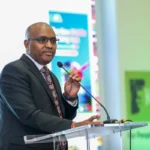

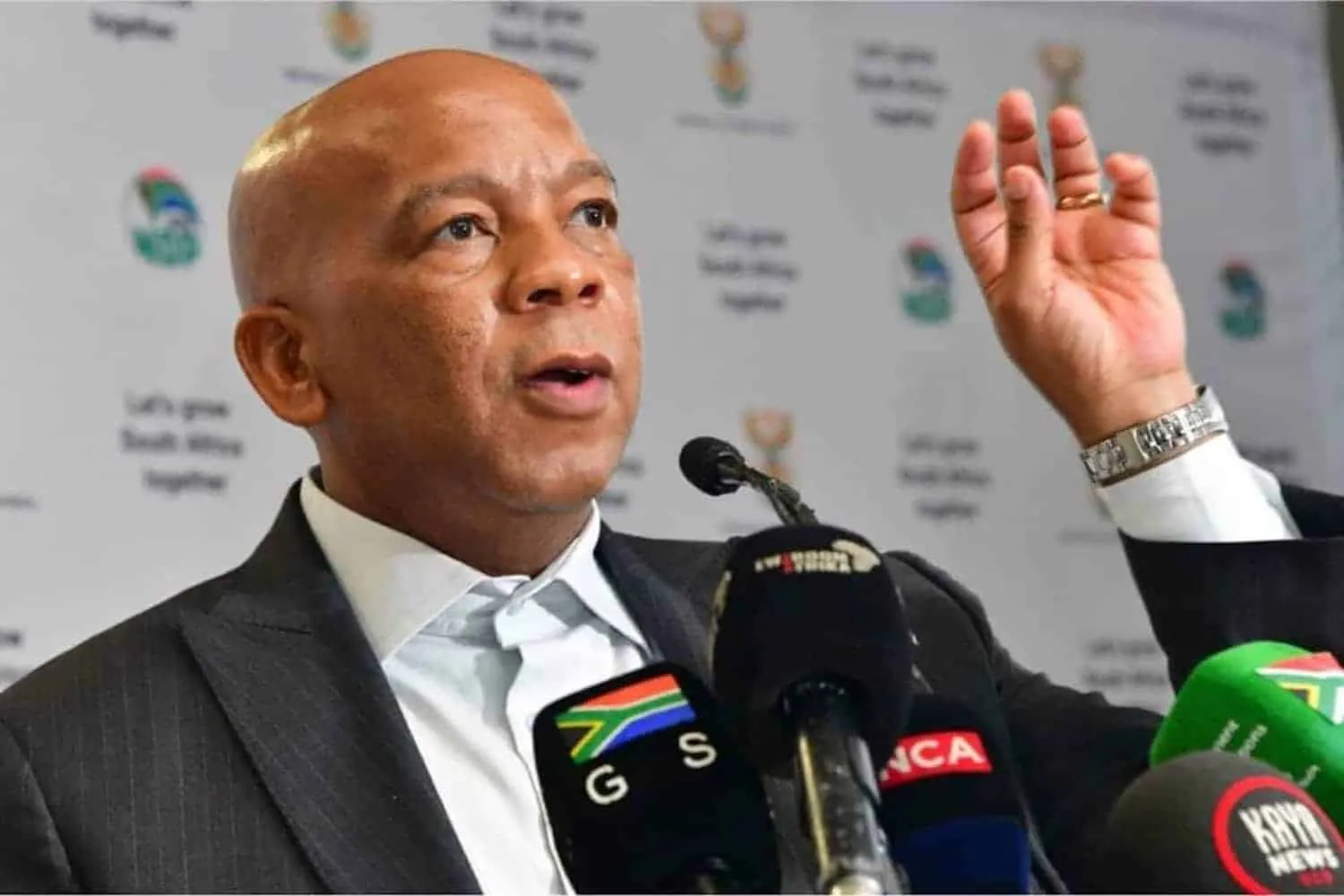
Minister of Electricity and Energy, Dr. Kgosientsho Ramokgopa, has delivered a powerful message of hope to the nation, assuring South Africans that the country is finally on a path to definitively ending the long-standing load shedding crisis. Speaking at a recent media briefing, the minister conveyed a sense of cautious optimism, stating, “We are in a good space. We are moving in the right direction.” His remarks come at a significant moment, as South Africa has not experienced load shedding since May of this year, a period of over three months. This sustained period of uninterrupted power is a stark contrast to the daily blackouts that had become an unavoidable part of life for many.
Push boundaries, reach goals, achieve more. Whether it’s ACCA, HESI A2, ATI TEAS 7, HESI EXIT, NCLEX-RN, NCLEX-PN, or Financial Literacy, we’ve got the Online course to match your ambition. Start with Serrari Ed now.
The minister’s confidence is rooted in a belief in Eskom’s technical capabilities and the effectiveness of a series of interventions implemented over the past few years. He acknowledged that many had viewed the load shedding challenge as “intractable,” but asserted that the country is now “within that touching distance” of a permanent solution. This sentiment reflects a palpable shift in the national mood, from one of despair and frustration to one of cautious optimism and anticipation.
This milestone is a testament to the hard work of the more than 42,000 men and women at Eskom, whom the minister commended for their dedication. Their efforts have resulted in a more stable, resilient, and reliable national grid, creating a much-needed buffer for economic growth. As Dr. Ramokgopa put it, the country has “created sufficient space and headroom for the economy to grow on the back of this performance.” This period of stability is seen not just as a temporary reprieve, but as the first tangible sign of a fundamental turnaround.
Understanding the Roots of the Crisis
To fully appreciate the significance of this moment, it’s essential to understand the long and tumultuous history of the South African energy crisis. Load shedding, a term now synonymous with daily life for a generation of South Africans, first emerged in 2007. The initial shortages were a result of a demand for electricity that had outgrown the country’s aging generation capacity. For years, there had been a lack of new investment in power infrastructure, as the post-apartheid government focused on expanding electricity access to millions of previously underserved citizens.
The crisis deepened over the years, with subsequent periods of severe load shedding in 2014 and 2019. The situation reached a critical point in late 2023, when the country experienced its most severe blackouts to date, with some areas facing power cuts for more than 12 hours a day. The economic impact was devastating. Businesses, both large and small, struggled to operate. Manufacturing plants were forced to shut down, costing the country billions of rands in lost productivity. The ripple effects were felt across the entire economy, from agriculture to retail.
However, the crisis was not just an economic one; it was also a social and political one. The lack of reliable electricity disrupted everything from healthcare services to education. The daily reliance on apps like “EskomSePush” to track blackout schedules highlighted how deeply the crisis had permeated daily life. The roots of the crisis, as many analysts have pointed out, can be traced back to a confluence of factors: under-investment, a decline in the maintenance of aging coal-fired power stations, and allegations of mismanagement and corruption that further eroded Eskom’s capacity to deliver. The utility’s massive debt, which was addressed in part by a $14 billion debt relief payout from the government in February 2023, was a clear indication of the scale of the challenge.
Build the future you deserve. Get started with top-tier Online courses in ACCA, HESI A2, ATI TEAS 7, HESI EXIT, NCLEX-RN, NCLEX-PN, and Financial Literacy. Let Serrari Ed guide your path to success. Enroll today.
The Role of the Energy Availability Factor (EAF)
A key metric in Eskom’s turnaround strategy is the Energy Availability Factor (EAF). The EAF is a crucial measure that represents the percentage of a power plant’s maximum capacity that is available for use at any given time. It is essentially the difference between the total possible energy a plant could produce and the energy lost due to both planned and unplanned outages.
In 2023, when Dr. Ramokgopa was appointed, the EAF was at a low of approximately 49%. This meant that nearly half of Eskom’s total generation capacity was offline due to maintenance issues or breakdowns. Improving this figure has been at the core of the government’s intervention strategy. The minister’s recent briefing highlighted the progress that has been made, with power stations now operating at an average EAF of 60.14% between April and early August. For the month of August, the average has been even better, sitting at 65.38%. The minister proudly noted that the EAF had, at times, even breached the 70% mark.
This improvement is a direct result of a renewed focus on maintenance. While planned maintenance temporarily reduces the EAF, it is a necessary long-term strategy to prevent more severe and frequent unplanned outages. By aggressively addressing maintenance backlogs and improving the reliability of the coal-fired fleet, Eskom has been able to significantly reduce the amount of capacity lost to breakdowns. The recent data, showing unplanned outages averaging about 10,880MW over a seven-day period—and even dipping below 10,000MW—is a major achievement and a clear indicator of a more stable system.
The Strategy for Stability: Peaking Plants and Cold Reserves
The minister also shed light on the technical safeguards now in place to ensure the grid’s stability. He explained the role of “peaking plants,” which are power stations designed to be brought online quickly to meet surges in demand or to compensate for unexpected losses in generation capacity. These plants, often powered by diesel or gas, are expensive to run but serve as a critical safety net. As the minister explained, they are “a card we have when are in major challenges… to keep the lights on.” This strategic use of peaking plants allows Eskom to maintain a stable supply without resorting to load shedding.
Another significant development is the ability to place machines in “cold reserve.” This occurs during periods when Eskom is generating more electricity than is demanded by the country. By taking units offline and putting them in cold reserve, the utility can protect the grid from an oversupply of power and manage its resources more efficiently. This phenomenon—generating more power than is needed—is a powerful symbol of the turnaround. It means the country has now built up “sufficient space and headroom” to support a growing economy, a far cry from the days when Eskom was perpetually struggling to meet even basic demand.
The Broader Energy Transition
While the short-term focus has been on stabilizing the existing coal-fired fleet, the long-term solution lies in a fundamental shift in South Africa’s energy mix. The government’s strategy is not just about fixing Eskom; it is about transforming the entire energy landscape. The move is driven by a need for long-term energy security, a reduction in the country’s carbon footprint, and a desire to create a more competitive electricity market.
One of the key pillars of this transition is the growth of independent power producers (IPPs) and private sector involvement. The government has liberalized the energy market through the Electricity Regulation Amendment Act, which has allowed private companies to generate and sell electricity. This has spurred a significant increase in renewable energy capacity, particularly in solar power. The minister’s comments come amid a legal dispute between Eskom and the National Energy Regulator of South Africa (NERSA) regarding the issuance of new electricity trading licenses to these private entities. While Eskom had initially opposed the move, Dr. Ramokgopa stated that he has advised the utility against pursuing the matter further, in an effort to streamline the transition and avoid “muddying the waters.” This signals a commitment from the highest levels of government to support a diversified, multi-player energy market.
The data from various sources confirms this trend. Over the past two years, rooftop solar capacity has more than tripled, providing a crucial buffer for both households and businesses against power cuts. The Council for Scientific and Industrial Research (CSIR) estimates that South Africa now has nearly nine gigawatts of solar PV capacity installed. The economic case for this shift is clear: the cost of new solar and wind projects is significantly lower than Eskom’s average electricity tariff, making renewables an economically smart choice.
Looking ahead, Eskom itself is planning an ambitious “Just Energy Transition” that aims to replace its aging coal fleet with a cleaner energy mix. The plan includes the decommissioning of several coal-fired power stations and the rollout of new renewable energy, gas, and nuclear projects. By 2040, Eskom aims to increase its renewable capacity to 32 gigawatts (GW), while reducing its coal-based capacity from 39 GW to 18 GW. This transition, while complex and expensive, is seen as essential for South Africa’s long-term environmental and economic sustainability. The utility has already learned from the challenges of its Komati power station repurposing project and is now proactively engaging with multilateral development banks to secure funding for future projects. This forward-looking approach, combined with the current stability of the grid, paints a picture of a nation not just recovering from a crisis, but actively building a more resilient and sustainable future.
Ready to take your career to the next level? Join our dynamic courses: ACCA, HESI A2, ATI TEAS 7 , HESI EXIT , NCLEX – RN and NCLEX – PN, Financial Literacy!🌟 Dive into a world of opportunities and empower yourself for success. Explore more at Serrari Ed and start your exciting journey today! ✨
Track GDP, Inflation and Central Bank rates for top African markets with Serrari’s comparator tool.
See today’s Treasury bonds and Money market funds movement across financial service providers in Kenya, using Serrari’s comparator tools.
Photo source: Google
By: Montel Kamau
Serrari Financial Analyst
14th August, 2025