
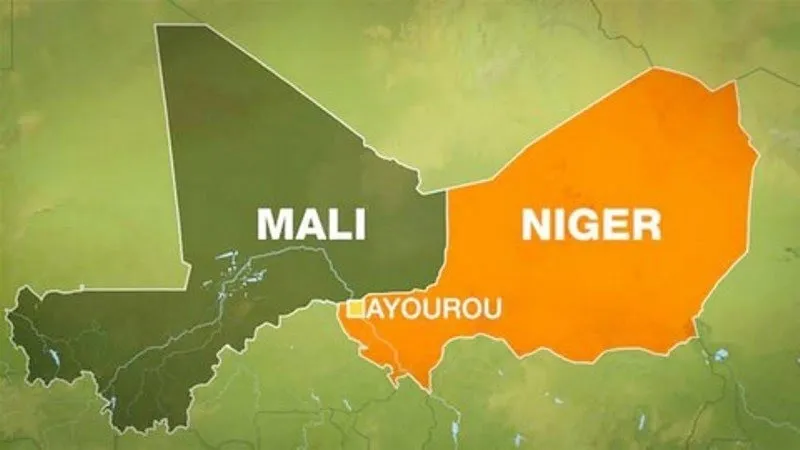
In a joint statement on Tuesday, military leaders of Mali and Niger announced the termination of tax cooperation treaties with France, citing persistent hostility and the imbalanced nature of existing agreements, which they argue have resulted in substantial revenue losses.
The decision, effective within the next three months, signifies a pivotal moment in the evolving diplomatic relations between the West African nations and their former colonial ruler. These tax accords, established in 1972 for Mali and 1965 for Niger, covered various aspects including personal and corporate income tax, inheritance tax, and registration duties, with the aim of avoiding double taxation and facilitating mutual assistance in fiscal matters.
The practical implications of this move remain uncertain, leaving observers to speculate on the potential economic and diplomatic repercussions. The decision by Mali and Niger follows a pattern of defiance against France that has intensified since military takeovers in Bamako in 2020 and Niamey earlier this year. Burkina Faso, also under military rule, had previously severed its tax treaty with France.
This shift in diplomatic ties is part of a larger geopolitical landscape, with the three African nations—Mali, Niger, and Burkina Faso—facing similar challenges, including the presence of militia militants. In response to shared concerns, the countries formed an alliance last year, and their foreign ministers have recently proposed the creation of a confederation.
As Mali and Niger make a bold move to end tax agreements with France, this development underscores the growing rift between certain African nations and their former colonial powers. It reflects a pragmatic response to perceived imbalances in longstanding agreements and highlights the changing dynamics in international relations within the region.
By: Montel Kamau
Serrari Financial Analyst
6th December, 2023