
In a recent report, the International Energy Agency (IEA) has cautioned that Kenya’s revised policy on procuring electricity from independent power producers (IPPs) specializing in renewable sources hinders new investments and impedes efforts to address the nation’s energy access deficit.
The policy change, which saw the approval of the Renewable Energy Auction Policy (Reap) by the Cabinet last year, marked a departure from the previous Feed-in Tariffs (FiT) system. Under FiT, IPPs were guaranteed a fixed tariff over a specified period, a mechanism introduced in 2008 to encourage investments in Kenya’s renewable energy capacity. This policy succeeded in boosting the country’s electricity generation from 1,113 megawatts in 2008 to over 3,078 megawatts in the last year, as per data from the Energy and Petroleum Regulatory Authority (EPRA).
The shift in policy was prompted by a task force appointed in 2021 by former President Uhuru Kenyatta to address the high cost of electricity for end-consumers. The task force recommended the renegotiation of power purchase agreements (PPAs) with IPPs and aligning new PPAs with a low-cost power development plan.
Under the Reap framework, approved by the Cabinet, the Kenya Power and Lighting Company (KPLC) now has the authority to solicit bids from IPPs, selecting only the most cost-effective options based on financial and technical evaluations.
The IEA expressed concern that the move from the FiT system, which had stimulated numerous solar PV and wind project announcements, coupled with PPA renegotiations, could impede investments in the renewable energy sector.
In its Renewables 2023 report, the Paris-based intergovernmental organization highlighted that Kenya could potentially add up to 2,000 megawatts of renewable energy generation capacity by 2028 if the trajectory of the last decade were maintained and if the new auction scheme was implemented effectively.
The report stated, “Kenya is planning to transition from a system based on feed-in tariffs to an auction scheme. While the initial auctions have yet to be announced, firm pricing structures, coupled with a reliable schedule, would accelerate [renewable energy] additions.”
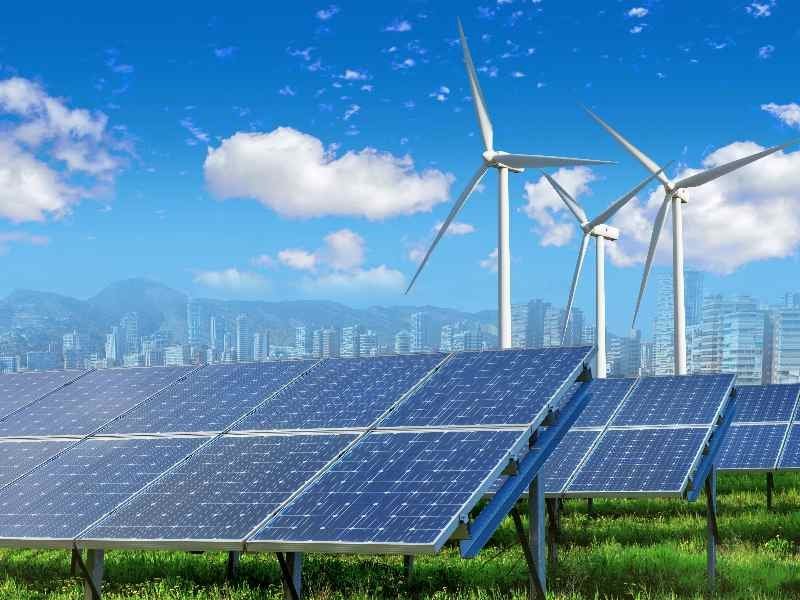
Renewable energy sources, such as solar, wind, and geothermal, presently contribute over 90 percent of Kenya’s electricity consumed. Despite having a total electricity generation capacity exceeding peak power demand by nearly 1,000 megawatts, approximately 15 million people need more reliable electricity access, with millions more not connected to the national grid. Increased generation could play a pivotal role in closing the country’s energy access gap.
By Delino Gayweh
Serrari Financial Analyst
January 22, 2024