
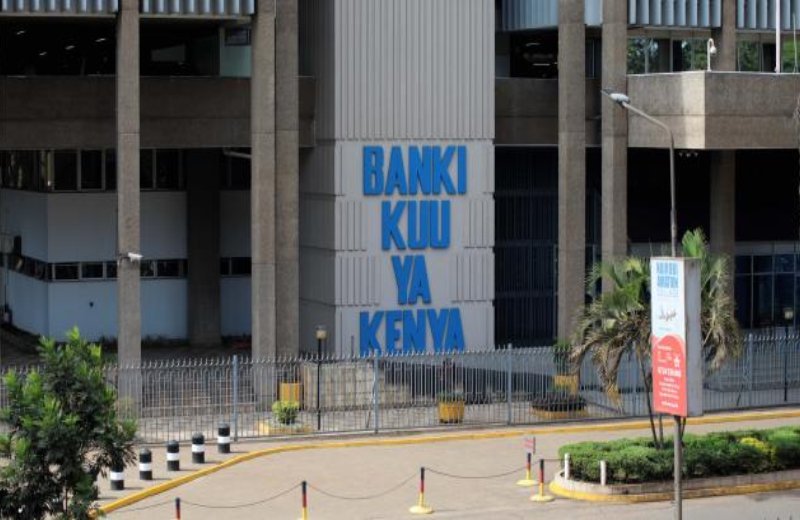
In response to the persistent depreciation of the shilling and the resulting economic challenges, Kenya’s Central Bank has taken a measured step by announcing a significant 2 percentage point interest rate hike. This decision comes as the shilling’s decline raises concerns about inflation, obstructs foreign investment, and impacts debt servicing.
This move marks the first interest rate hike since June, when the bank increased it by 1 percentage point. The Monetary Policy Committee (MPC) released a statement justifying the decision, emphasizing the need to adjust the monetary policy stance to counteract pressures on the exchange rate and mitigate potential second-round effects. The MPC aims to anchor inflationary expectations while steering inflation towards the 5.0 percent mid-point of the target range.
As of November, inflation stood at 6.8% year-on-year, slightly lower than the 6.9% recorded in October. Approximately 3.0 percentage points of the November reading were attributed to the depreciation of the exchange rate.
Throughout the year, the shilling has experienced a significant depreciation of over 19% against the dollar, hitting repeated all-time lows along its downward trajectory.
“The MPC stands ready to further tighten monetary policy as necessary to ensure price and exchange rate stability are achieved,” declared the Central Bank, announcing that the MPC would convene again in February 2024.
Razia Khan, Chief Africa and Middle East Economist at Standard Chartered Bank, noted external pressure, particularly from the International Monetary Fund and the World Bank, to meaningfully tighten policy. However, she expressed skepticism about the near-term impact, considering that market interest rates were already surpassing the policy rate.
The economic landscape in Kenya is under close scrutiny, particularly regarding its handling of the $2 billion Eurobond set to mature in June of the following year. Central Bank Governor Kamau Thugge assured reporters that authorities anticipated receiving $300 million from the regional Trade and Development Bank in the first two weeks of December, earmarked for the repurchase of part of the Eurobond. Additionally, Thugge shared expectations of further financial support ranging from $1.25 billion to $1.5 billion from the World Bank in early 2024 to bolster the country’s budget.
By: Montel Kamau
Serrari Financial Analyst
6th December, 2023