
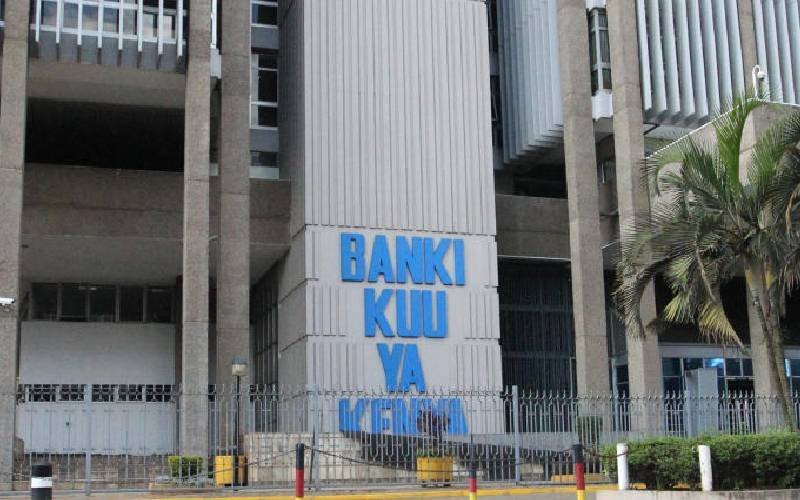
Latest Treasury bills auction unfolded with a remarkable uptick in investor interest, propelling one-year T-bill rates beyond the 16% mark, a significant leap from the previous week’s 15.79%. This surge was a direct response to the Central Bank of Kenya’s (CBK) strategic decision to raise its base lending rate by two percentage points during the December 5 policy-setting meeting.
Despite the higher rates demanded by investors on the 364-day paper (16.41%), the Central Bank maintained its poise, accepting offers at an average rate of 15.83%. The auction successfully mobilized Sh17.09 billion, though falling short of the Sh24 billion target.
The CBK’s move to elevate the Central Bank Rate (CBR) to 12.5% is anticipated to have a cascading effect, increasing government borrowing costs. The Treasury’s objective is to attract foreign investors to government securities, a move with potential long-term benefits for stabilizing the exchange rate.
Analysts at NCBA foresee this CBR adjustment acting as a magnet for foreign currency asset holders, injecting dollar liquidity into the market. While the T-bills sale demonstrated success, the gap between the target and actual funds raised underscores the delicate balance the Central Bank navigates in managing interest rates.
The recent momentum in Treasury bills, fueled not only by the CBR hike but also by the Supplementary Budget’s adjustment in the net domestic borrowing target (now standing at Sh474.5 billion), signifies a shift in market dynamics.
Results from the auction revealed the highest yield on the 182-day paper at 15.92%, up from 15.74% the preceding week. Simultaneously, the 91-day paper saw an increase from 15.63% to 15.77%.
The 364-day T-bill recorded a marginal rate increase from 15.79% to 15.83%, despite investor demands for loftier figures. The Central Bank’s ability to judiciously overlook expensive offers on this paper, given its lower volume of bids (Sh629 million), played a pivotal role in the auction’s overall success.
Investor preference for the 91-day paper was evident, raising Sh13.54 billion, while the 182-day paper attracted Sh2.9 billion.
Beyond the fiscal implications for the government, the surge in T-bill rates poses challenges for bank loan borrowers, as increased rates may filter through to their facilities. In an economic climate fraught with difficulties, loan servicing becomes more challenging, placing added pressure on both taxpayers and loan recipients.
T-bill rates, often regarded as a benchmark for risk-free loan pricing, are expected to prompt banks to adjust deposit and lending rates upwards. The ripple effect of this T-bill rate surge could significantly influence the trajectory of loans and investments in the months to come.
By: Montel Kamau
Serrari Financial Analyst
18th December, 2023