
The Treasury bond market enters 2026 in a state of heightened uncertainty regarding Federal Reserve policy direction and the economic trajectory that will ultimately determine monetary policy outcomes. The yield curve structure reflects this uncertainty, with the relationship between short-term and long-term Treasury yields shifting in response to changing expectations about future policy moves. Understanding these dynamics requires careful analysis of the forces reshaping yield curve construction and the implications for investors’ portfolio management decisions in an environment characterized by genuine macroeconomic uncertainty.
Build the future you deserve. Get started with our top-tier Online courses: ACCA, HESI A2, ATI TEAS 7, HESI EXIT, NCLEX-RN, NCLEX-PN, and Financial Literacy. Let Serrari Ed guide your path to success. Enroll today.
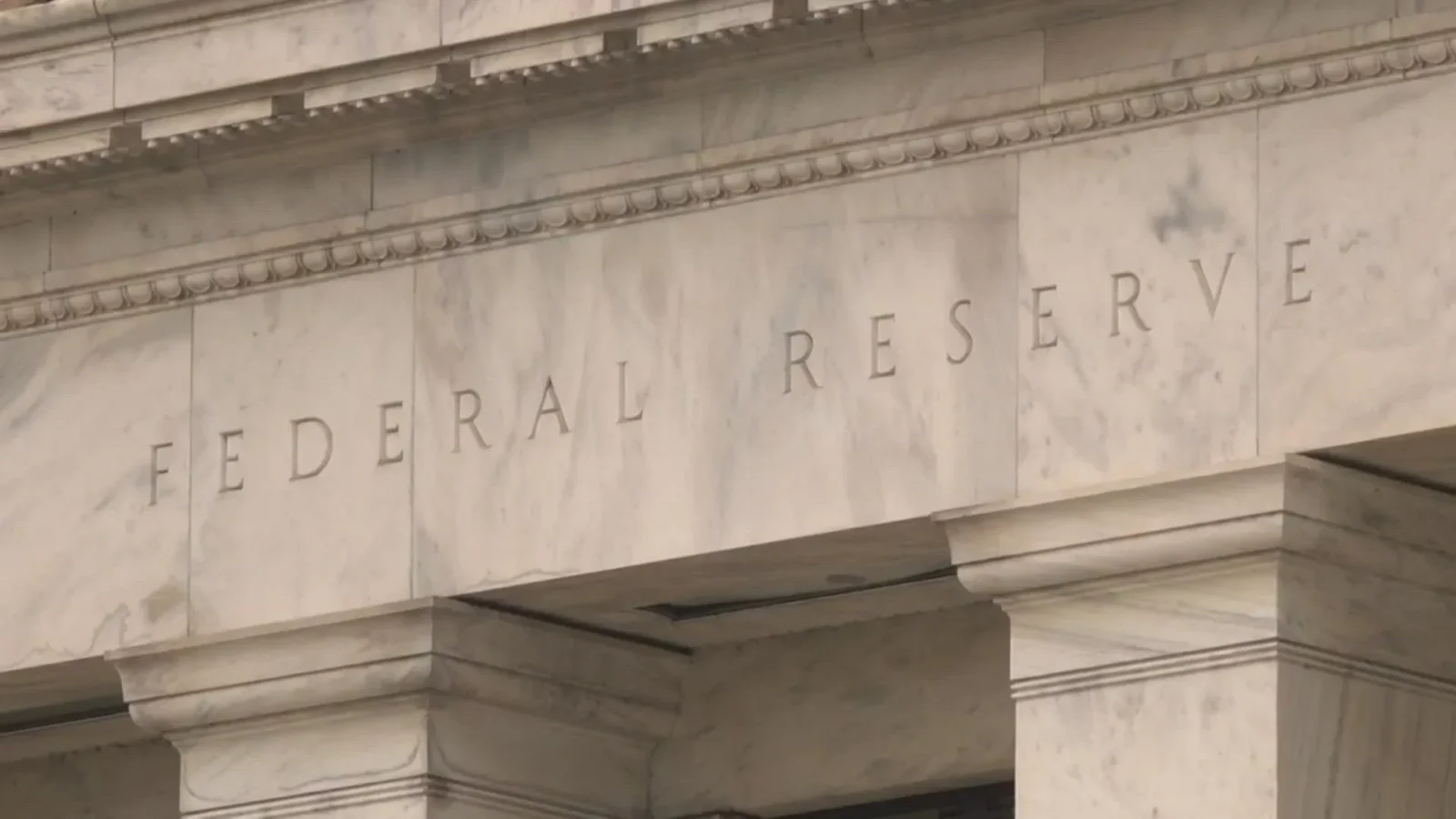
The recent evolution of the Treasury yield curve presents a distinct departure from patterns observed during the 2023-2024 period when the Fed was actively raising rates. During that hiking cycle, yields across all maturity segments rose in synchronized fashion, reflecting the direct impact of policy rate increases and expectations regarding future moves. In contrast, the current environment features selective yield movements reflecting disagree among market participants regarding timing and magnitude of anticipated rate reductions. The Federal Reserve’s holding pattern at January meeting signaled confidence in current policy settings, but the door remains open to adjustments if economic conditions warrant.
The compression of yields across different maturity segments requires careful analysis to identify the optimal positioning for investors with varying objectives. The spread between two-year and ten-year Treasuries has narrowed considerably, with the current curve featuring relatively flat characteristics across the medium-term maturity spectrum. This flattening reflects the market’s expectation that rates will eventually decline, making investors reluctant to extend substantially into longer-term instruments for modest incremental yield. The combination of modest curve slope and absolute yield levels in the 3.97% to 4.08% range for ten-year instruments creates a less compelling environment for traditional bullet strategies that concentrate positions in single maturity points.
The factors underlying current Treasury market dynamics include the challenging inflation environment, the uncertain trajectory of economic growth, and persistent uncertainty regarding geopolitical developments. Market participants expect that energy price pressures could fuel inflation that would constrain the Fed’s ability to cut rates aggressively. This concern has limited the decline in longer-term yields that would normally accompany widespread expectations of future rate reductions. The market is essentially pricing in a scenario where the Fed cuts rates modestly over the second half of 2026, but where inflation concerns prevent aggressive monetary accommodation.
The structure of current Treasury valuations creates opportunities for tactical positioning based on forward expectations regarding policy moves and economic performance. Investors confident that the Fed will cut rates beginning in mid-2026 can establish longer-duration positions at current yield levels, capturing yield-to-maturity returns while potentially generating capital appreciation if yields decline as expected. Alternatively, investors concerned about persistent inflation can accept the lower yields available on shorter-term instruments while maintaining flexibility to redeploy capital if economic conditions clarify and lower-yielding longer-term instruments become more attractive.
The historical perspective on Treasury yield levels provides useful context for current valuations. The Federal Reserve provides Treasury yield data that allows investors to assess current levels relative to both historical averages and recent precedent. At the current ten-year yield of approximately 4.08%, Treasury valuations are reasonable relative to longer-term averages but reflect elevated absolute yields relative to the 2021-2022 period. This positioning creates genuine opportunities for investors seeking exposure to fixed income instruments but warrants careful consideration of the specific maturity positioning that aligns with individual investor objectives.
The role of Treasury bonds as portfolio diversifiers remains central to their investment case despite moderate absolute yield levels. The negative correlation between Treasury prices and equity market performance during periods of financial stress provides essential portfolio insurance that justifies maintaining meaningful positions even at current yield levels. Investors excessively focused on maximizing current yield while neglecting the diversification benefits of Treasuries risk creating portfolios that perform poorly during equity market downturns when portfolio stability is most valuable.
One decision can change your entire career. Take that step with our Online courses in ACCA, HESI A2, ATI TEAS 7, HESI EXIT, NCLEX-RN, NCLEX-PN, and Financial Literacy. Join Serrari Ed and start building your brighter future today.
The technical characteristics of the Treasury market continue to influence supply and demand dynamics. The U.S. government’s substantial borrowing needs, driven by persistent federal budget deficits, create a continuous stream of new Treasury supply that must be absorbed by investors. In recent periods, the Federal Reserve has reduced the size of its balance sheet through quantitative tightening, removing purchases that had previously absorbed substantial Treasury supply. The combination of robust government issuance and reduced Fed purchases creates an environment where yield levels must remain attractive enough to entice sufficient private sector demand. This dynamic supports the case for maintaining positions in Treasuries despite yields that are modest relative to some alternative fixed income options.
The international investor participation in Treasury markets represents an important structural support factor for current valuations. Foreign central banks, sovereign wealth funds, and other international investors hold substantial Treasury portfolios and continue to purchase significant quantities. This sustained international demand reflects both the security characteristics of U.S. Treasuries and the absence of comparable alternatives in most other developed economies. As long as international investors view U.S. Treasuries as appropriately valued relative to alternative safe-haven instruments, this demand will help maintain yields within reasonable bands relative to economic fundamentals.
The implications of current Treasury yields for broader financial market dynamics extend well beyond the Treasury market itself. The yields available on Treasuries serve as benchmarks against which all other fixed income investments are evaluated. Corporate bonds, municipal securities, and other instruments trade at spreads to comparable-maturity Treasuries, reflecting additional credit risk and other risk premiums. A change in Treasury yields automatically changes the relative attractiveness of all other fixed income alternatives, making Treasury market movements consequential for the entire financial system.
The outlook for Treasury bonds through the remainder of 2026 suggests an environment of moderate volatility as the market continuously updates its assessment of Fed policy timing and economic conditions. The current yield level of approximately 4% represents a reasonable compensation level that attracts ongoing investment demand without creating substantial valuation pressures. Investors should maintain diversified Treasury allocations reflecting their risk tolerance and time horizons, utilizing the current favorable yield environment to establish or refresh positions that will serve important portfolio functions throughout the economic cycle.
Ready to take your career to the next level? Join our Online courses: ACCA, HESI A2, ATI TEAS 7 , HESI EXIT , NCLEX-RN and NCLEX-PN, Financial Literacy! 🌟 Dive into a world of opportunities and empower yourself for success. Explore more at Serrari Ed and start your exciting journey today! ✨
Track GDP, Inflation and Central Bank rates for top African markets with Serrari’s comparator tool.
See today’s Treasury bonds and Money market funds movement across financial service providers in Kenya, using Serrari’s comparator tools.
Photo Source: Google
By: Montel Kamau
Serrari Financial Analyst
9th March, 2026