
The Federal Reserve announced a quarter-percentage-point cut in interest rates on Wednesday, bringing the benchmark policy rate to the 4.25%-4.50% range. However, central bankers emphasized a more cautious approach to future rate reductions, citing a relatively stable unemployment rate, resilient economic growth, and persistent inflationary pressures. This decision reflects the Fed’s evolving strategy as it navigates a delicate economic landscape characterized by strong consumer demand, steady job creation, and lingering inflation concerns.
Economic Context and Fed’s Current Stance
“Economic activity has continued to expand at a solid pace,” noted the Federal Open Market Committee (FOMC) in its latest policy statement. The unemployment rate remains historically low, while inflation has moderated but still exceeds the Fed’s 2% target. These conditions prompted the Fed to adopt a more gradual approach to rate cuts, signaling a potential pause in further easing at the upcoming January 28-29 meeting.
Fed officials now project only two additional quarter-percentage-point rate reductions by the end of 2025, scaling back from earlier expectations of more aggressive cuts. The adjustment reflects tempered optimism about inflation, which is projected to average 2.5% next year—up from the previous forecast of 2.1%. This is the highest projected inflation rate since the Fed began its tightening cycle in 2022.
Inflation Challenges and Long-Term Projections
While inflation has retreated from the peaks of 2022-2023, progress has stalled. Fed officials now predict inflation will not return to the 2% target until 2027. The delayed timeline reflects persistent pricing pressures in key sectors, including housing, healthcare, and energy.
The central bank also revised its estimate of the long-run neutral rate of interest to 3%, up from 2.5% earlier this year. This shift indicates policymakers’ belief that the economy can sustain a higher baseline interest rate without undermining growth or employment.
Internal Divisions and Market Reactions
The Fed’s decision to lower rates was not unanimous. Cleveland Fed President Beth Hammack dissented, favoring no change to the benchmark rate. Hammack’s opposition underscores a growing divide among policymakers about the appropriate pace of monetary easing.
Financial markets reacted swiftly to the announcement. U.S. Treasury yields rose across maturities, reflecting expectations of a prolonged period of elevated rates. The dollar strengthened, while stock prices dipped, as investors recalibrated their outlook for monetary policy.
“While the Fed opted to round out the year with a third consecutive cut, its New Year’s resolution appears to be for a more gradual pace of easing,” commented Whitney Watson, co-head of fixed income at Goldman Sachs Asset Management. She anticipates the Fed skipping a January rate cut, resuming the easing cycle in March.
The Trump Effect: Political Uncertainty and Economic Outlook
This week’s rate cut marks the Fed’s first policy decision since President-elect Donald Trump’s victory in the November 5 election. Trump’s campaign promises—including tax cuts, tariff hikes, and stricter immigration policies—introduce significant uncertainty into the economic outlook.
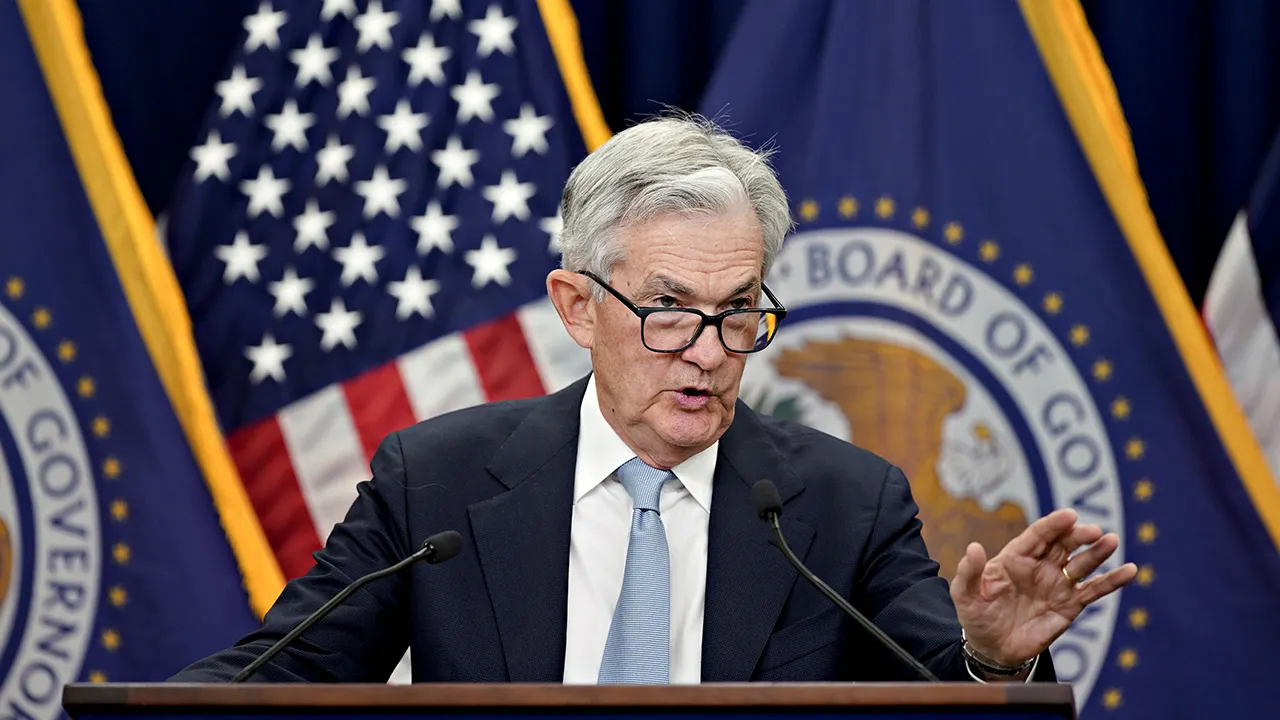
While the Fed does not base its decisions on political rhetoric, Trump’s proposals could have inflationary implications, particularly if fiscal stimulus boosts consumer spending without corresponding increases in supply. However, with Trump’s inauguration still a month away, Fed Chair Jerome Powell emphasized the importance of responding to actual policy changes rather than speculative scenarios.
Fed’s Easing Cycle: A Balancing Act
The Fed’s current easing cycle, which began in September 2024, marks a shift from the aggressive tightening implemented during 2022-2023. The earlier rate hikes were aimed at curbing a surge in inflation driven by pandemic-related supply chain disruptions and a rapid economic rebound.
As inflation began to moderate in late 2023, the Fed pivoted to lowering borrowing costs to support economic growth. However, the current easing cycle has been characterized by caution, with smaller rate cuts and frequent reassessments of economic conditions.
Labor Market Resilience
The Fed’s cautious approach is supported by the continued strength of the U.S. labor market. The unemployment rate, currently at 3.9%, remains near historic lows, while job creation has outpaced expectations. Wage growth has moderated, helping to balance labor market tightness without fueling additional inflation.
This resilience contrasts with fears earlier this year that higher interest rates might trigger a sharp economic slowdown. Instead, consumer spending and business investment have remained robust, contributing to steady GDP growth.
Housing and Energy: Persistent Inflation Drivers
Inflationary pressures remain concentrated in specific sectors, notably housing and energy. Rising rents and home prices have kept shelter inflation elevated, while fluctuations in global energy markets have contributed to volatility in fuel and utility costs.
The Fed has acknowledged these challenges, emphasizing the importance of targeted policies to address supply-side constraints. For example, investments in affordable housing and renewable energy could help alleviate inflationary pressures in the long term.
International Implications
The Fed’s policy decisions have global ramifications, influencing capital flows, currency values, and trade balances. The recent rate cut and the revised long-term projections are likely to affect emerging markets, which often face capital outflows when U.S. interest rates are elevated.
The stronger dollar, driven by rising Treasury yields, could also impact global trade, making U.S. exports more expensive while reducing the cost of imports. These dynamics underscore the interconnectedness of monetary policy and global economic stability.
What Lies Ahead?
Looking forward, the Fed faces a complex balancing act. Policymakers must weigh the benefits of supporting growth against the risks of fueling inflation. The central bank’s cautious approach reflects a commitment to data-driven decision-making, with an emphasis on long-term stability.
The next critical juncture will be the January FOMC meeting, where officials will reassess economic conditions and decide whether to pause or continue the easing cycle. Key indicators to watch include inflation trends, labor market data, and the impact of the Trump administration’s initial policy actions.
Conclusion
The Federal Reserve’s latest rate cut marks a turning point in its monetary policy strategy, signaling a slower pace of easing amid firming inflation and a resilient economy. While the central bank’s cautious stance reflects confidence in the underlying strength of the U.S. economy, it also highlights the challenges of achieving price stability in a dynamic global environment.
As the Fed navigates this complex landscape, its decisions will shape not only domestic economic outcomes but also global financial markets. For investors, businesses, and policymakers, understanding the Fed’s evolving strategy is critical to preparing for the opportunities and risks that lie ahead.
Ready to take your career to the next level? Join our dynamic courses: ACCA, HESI A2, ATI TEAS 7 , HESI EXIT and NCLEX – RN !🌟 Dive into a world of opportunities and empower yourself for success. Explore more at Serrari Ed and start your exciting journey today! ✨
Phot source: Google
By: Montel Kamau
Serrari Financial Analyst
19th December, 2024