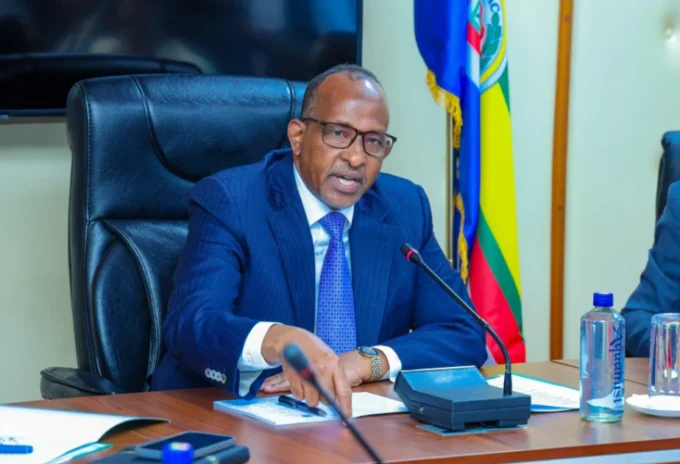

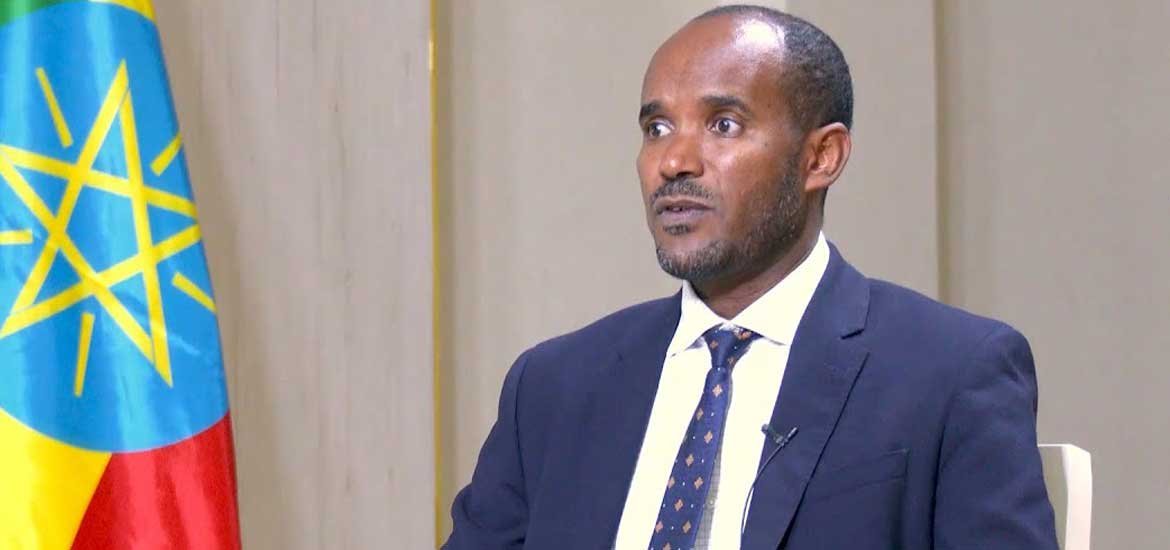
Ethiopia is gearing up to grant licenses to foreign investment banks, marking a significant move in preparation for the planned launch of a securities exchange later this year, according to statements from the Director General of the Ethiopian Capital Market Authority, Brook Taye.
The liberalization initiative has attracted interest from foreign investors, including Safaricom (SCOM.NR), a prominent Kenyan telecoms operator. However, the process has encountered recent setbacks attributed to an unpredictable regulatory environment, security concerns, and macroeconomic instability, as noted by some analysts.
This week, the justice ministry gave the green light to the capital markets regulator to proceed with issuing the licenses, emphasizing the government’s commitment to fostering a more open and investor-friendly financial landscape.
Prime Minister Abiy Ahmed has been driving efforts since 2018 to encourage greater private investment in Ethiopia, a country with a population of 120 million that has traditionally been heavily controlled by the state.
Unlike previous attempts to open up the economy, Abiy’s approach is considered more ambitious. Currently devoid of any investment banks, Ethiopia’s commercial banks can only provide limited funding to businesses due to stringent prudential requirements.
Director General Brook Taye highlighted the immense demand for capital-raising services in the country, citing businesses paying exorbitant interest rates of 25% on commercial bank funding. Additionally, businesses are required to provide collateral amounting to 70% of the loan value, presenting a significant hurdle for economic growth.
To address this bottleneck, the regulator is set to offer licenses to global and regional investment banks, securities brokers, dealers, and credit rating service providers. These entities will play a crucial role in assisting businesses in listing shares on the upcoming securities exchange and issuing corporate debt.
The securities exchange is expected to be operational later this year, providing a platform for the government to address its budget deficit by offering debt securities to retail investors. Zemen, an Ethiopian commercial bank, has already committed to purchasing a 5% stake in the exchange, contributing to the ownership structure.
As Ethiopia grapples with acute foreign exchange shortages and high inflation, the recent default on its $1 billion international bond has underscored the urgency of implementing economic reforms and attracting foreign investment to stabilize the nation’s financial landscape.
By Delino Gayweh
Serrari Financial Analyst
January 22, 2024