
Ethiopia’s economic woes deepened as Fitch Ratings delivered a significant blow, downgrading the nation’s credit rating to “C.” The downgrade, triggered by a recent failure to meet a $1 billion Eurobond payment, marks the lowest level before an outright default.
Challenges Mount: Economic Struggles and Civil Unrest Fallout
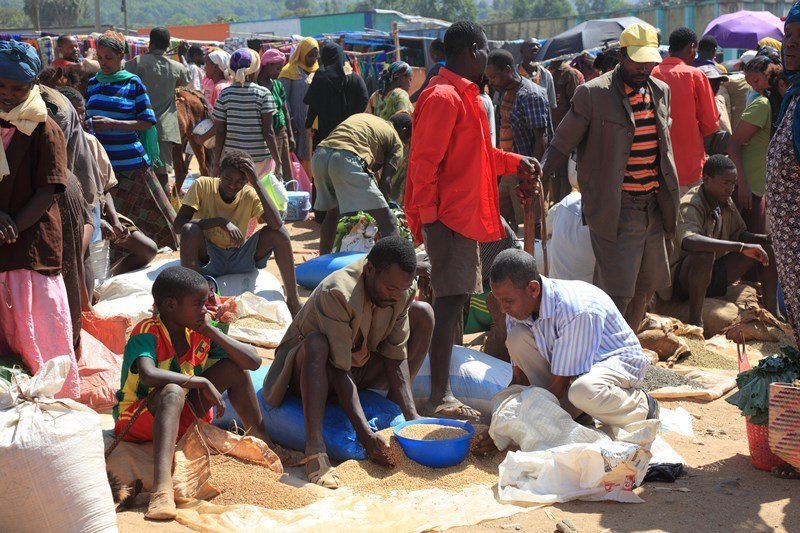
The missed payment exacerbates Ethiopia’s existing economic challenges—soaring inflation, a scarcity of hard currency, and looming external debt repayments. All of this unfolds against the backdrop of the lingering scars from the two-year Tigray conflict, hindering the nation’s path to recovery despite a truce signed over a year ago.
Seeking Relief Amidst Uncertainty
In 2021, Ethiopia turned to the G20’s Common Framework for debt restructuring, but progress was initially hindered by the ongoing conflict. Now, with official creditors temporarily suspending debt services, there is a faint glimmer of hope.
However, private creditors pose a wildcard, with Fitch warning that concessions from official creditors could lead to similar demands, potentially jeopardizing the delicate progress.
Negotiations and Challenges on Multiple Fronts
Talks with a group of bondholders hit a roadblock, prompting a separate call for investors holding the maturing Eurobond. Simultaneously, negotiations with the IMF for a crucial $2 billion loan program continue, but as of now, no deal has been reached.
The Precarious Future: A Stark Reality Check
Fitch’s downgrade serves as a stark reminder of the dire situation Ethiopia faces. The missed bond payment not only highlights the financial strain but also places the nation on the brink of default. The coming weeks will be critical for Ethiopia’s financial stability.
By: Montel Kamau
Serrari Financial Analyst
15th December, 2023