
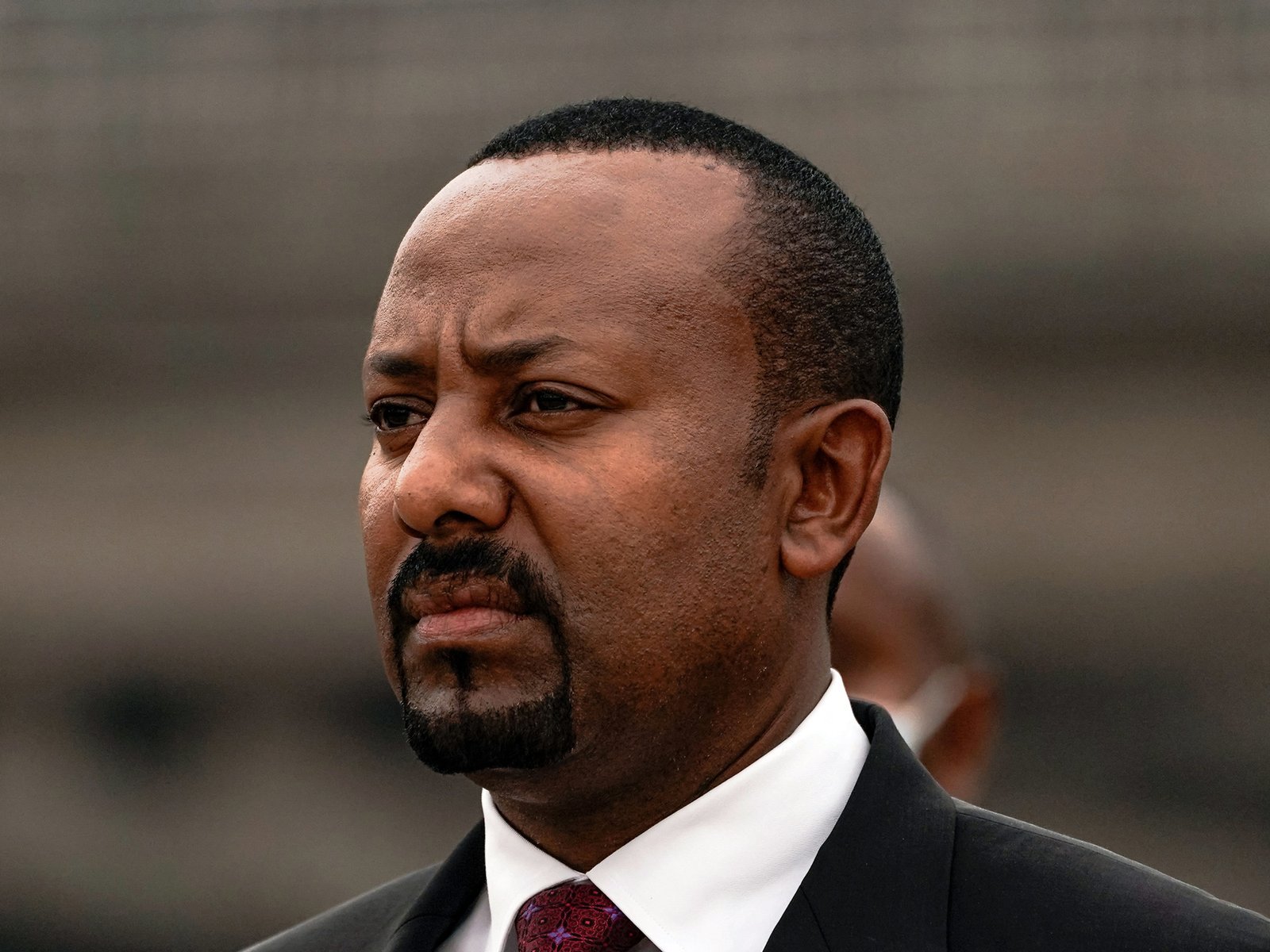
Ethiopia finds itself at a financial crossroads as it becomes the third African nation to default on a Eurobond repayment, echoing the economic struggles seen in Zambia and Ghana. Governor Mamo Mihretu, leading the National Bank of Ethiopia, confirmed the failure to meet a $33 million “coupon” payment on the country’s only international government bond.
The backdrop of this default is the challenging economic landscape resulting from both the enduring impacts of the Covid-19 pandemic and the recent conclusion of a two-year civil war in November 2022. The payment, initially due on December 11, had a 14-day ‘grace period,’ expiring on Tuesday. As of December 22, bondholders reported the non-receipt of the expected coupon payment.
Despite the severity of the financial strain, exacerbated by the civil war and the pandemic, Ethiopian government officials maintained silence on the matter, refraining from responding to inquiries made on Friday and over the weekend.
This formal declaration of default triggers Ethiopia’s entry into a comprehensive “Common Framework” restructuring, aligning it with other African nations facing similar economic challenges. The parallels with Zambia and Ghana highlight a broader trend across the continent.
Ethiopia’s earlier pursuit of debt relief under the G20-led initiative in 2021 faced obstacles due to the civil war. In November, with foreign exchange reserves depleted and inflation soaring, Ethiopia’s official sector government creditors, including China, agreed to a debt service suspension deal.
However, negotiations with pension funds and private sector creditors holding Ethiopia’s bond hit a roadblock on December 8, prompting a downgrade by credit ratings agency S&P Global to “Default” on December 15. This rating was grounded in the assumption that the coupon payment would not materialize.
As Ethiopia confronts the intricacies of debt restructuring, questions linger about the broader implications for the country’s financial stability and the potential ripple effects across the African continent. The international community will closely monitor Ethiopia’s economic recovery efforts in the coming months, recognizing the significance of managing the aftermath of this default.
By: Montel Kamau
Serrari Financial Analyst
27th December, 2023