
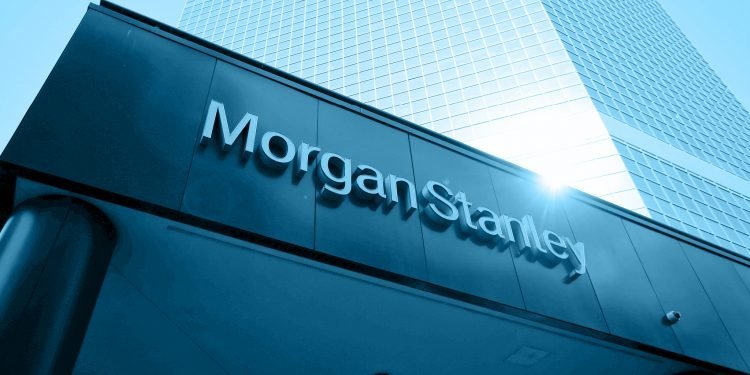
Egypt is set to embark on a comprehensive economic reform agenda post the presidential elections, with global investment giant Morgan Stanley steering the nation’s financial strategy. The renowned bank recommends a meticulous approach, emphasizing a “phased devaluation of the pound in the short term” instead of a sudden exchange rate floatation.
The strategy aims to avoid a free float scenario that could trigger a black market resurgence and place undue pressure on Egypt’s reserves, underlining the importance of evolving into a sustainable free or managed float.
Key considerations driving exchange rate policy decisions, as per Morgan Stanley, include potential impacts on the cost of living, fiscal deficit, and the prospect of fresh financing from multilateral and regional partners.
Morgan Stanley’s research note emphasizes the need for a “phased adjustment (of the pound exchange rate) to levels below the current parallel market rate” once post-election focus returns to the economy.
In the financial derivatives market, experts predict a significant 40% drop in the Egyptian pound over the next year, with projections settling around $50 per LE.
Having weathered multiple devaluations since March 2022, with a loss of around half of its value against the USD, the Egyptian pound faces further challenges.
Morgan Stanley anticipates additional regional and multilateral financing, along with an expanded support package from the International Monetary Fund (IMF), fostering a modest recovery in foreign flows.
As Egypt recommits to selling state-owned assets and reducing debts, Morgan Stanley foresees the IMF increasing its loan to Egypt from $3 billion to $5 billion. Global financial conditions are expected to ease, paving the way for fresh multilateral financing and encouraging gradual flexibility in the exchange rate. The collective effect of these measures is projected to bring macroeconomic stability to Egypt in the near future.
By: Montel Kamau
Serrari Financial Analyst
13th December, 2023