
In a significant move towards achieving its ambitious clean energy goals, the Climate Investment Funds (CIF) has given the green light to a $70 million plan for Kenya. The plan, backed by the CIF’s Trust Fund Committee, includes an initial allocation of $46.39 million.
The primary objective of these funds is to propel the integration and utilization of renewable energy in the Kenyan grid, facilitating the nation’s transition to 100 percent clean energy by the year 2030. This approval is part of the Climate Investment Renewable Energy Integration (REI) investment program, designed to support Kenya in reducing greenhouse gas emissions by 32% by 2030 and attaining Net Zero by 2050.
Kenya’s CIF REI plan aims to enhance access to clean, sufficient, affordable, and reliable electricity across the country. The implementation of this plan is expected to mobilize an additional $243 million from both the public and private sectors through partners such as the African Development Bank and the World Bank Group.
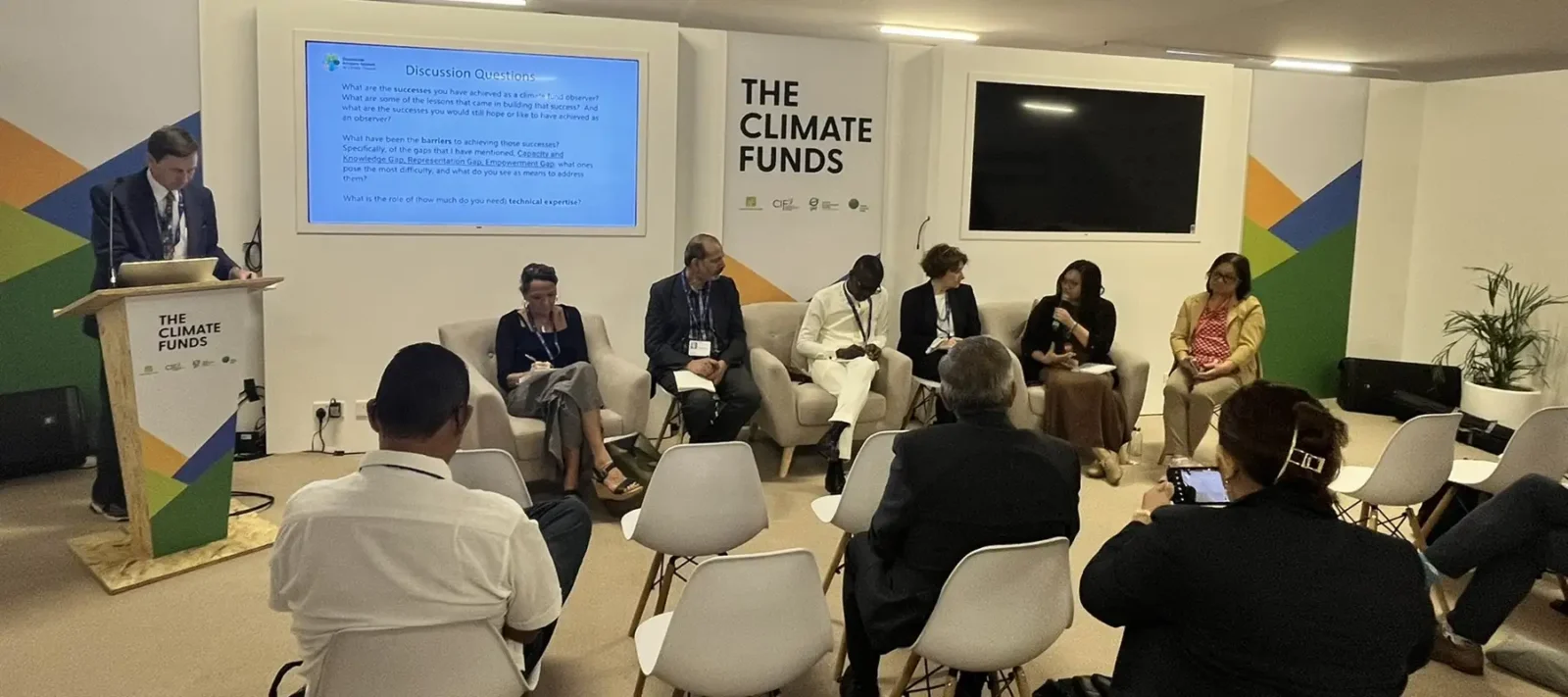
Luis Tineo, the Interim CEO of Climate Investment Funds, emphasized the instrumental role of CIF’s concessional funding in delivering power to Kenyan consumers efficiently. He highlighted the collaboration with multilateral development bank partners through the Renewable Energy Integration investment program to bolster Kenya’s clean energy ambitions.
As of ATSNBO 2024, Kenya boasts a renewable energy share of nearly 90%, including 45% from geothermal sources and 26% from hydropower. However, the current system faces challenges, struggling to meet peak demand during evening hours and experiencing issues with surplus generation from geothermal and wind during the night.
The REI investment plan for Kenya addresses these challenges by improving dispatch, enhancing grid stability, and providing flexibility. It also paves the way for future private sector investments in innovative storage technologies like battery storage and pumped hydropower.
Furthermore, the plan prepares the energy system for a significant increase in electric mobility and cooking. The goal is to expand variable renewable energy, such as wind and solar, from 19% to 30% by 2030. The overall objective is to achieve 100% clean energy in the power system by 2030, aligning Kenya with the trajectory to reach Net Zero by 2050.
CIF initiated the pioneering REI program specifically to address deployment issues associated with clean and intermittent power sources in developing economies.
Alex Wachira, Principal Secretary of the State Department for Energy in Kenya, expressed the government’s gratitude for being a participant in the Renewable Energy Integration Program and acknowledged the valuable support extended by the Climate Investment Funds.
Kenya stands as one of ten countries selected to partake in this program, joining others like Brazil, Colombia, Costa Rica, Fiji, and Mali whose investment plans were endorsed by the CIF Trust Fund Committee in 2023. Keith Hansen, Country Director for Kenya at the World Bank.
Photo ( AFDB)
By: Delino Gayweh
Serrari Financial Analyst
February 6, 2024