
In a landmark transaction that marks the first time a Chinese state-owned automaker has invested in a private electric vehicle startup, FAW Group has acquired a 5% stake in Leapmotor for approximately ¥3.74 billion ($533 million). The investment strengthens Leapmotor’s financial position and bolsters its ambitious global expansion strategy as the company positions itself among China’s leading electric vehicle manufacturers.
The December 2025 deal involved FAW Equity Investment purchasing 74.8 million shares at ¥50.03 ($7.12) per share. FAW Equity has formally joined Leapmotor’s shareholder structure, alongside Stellantis NV, which remains the company’s largest strategic investor with an approximately 19% stake following its €1.5 billion investment in October 2023.
Beyond the financial injection, the investment includes a comprehensive technology cooperation framework between FAW and Leapmotor. The partnership centers on next-generation electrified vehicle development, with FAW Qixin Power and Leapmotor focusing their joint efforts on plug-in hybrid electric vehicles (PHEVs) and extended-range electric vehicles (EREVs). These powertrain technologies represent a strategic middle ground between traditional internal combustion engines and fully electric vehicles, offering consumers extended range without the range anxiety associated with battery-only systems.
Build the future you deserve. Get started with our top-tier Online courses: ACCA, HESI A2, ATI TEAS 7, HESI EXIT, NCLEX-RN, NCLEX-PN, and Financial Literacy. Let Serrari Ed guide your path to success. Enroll today.
Strategic Allocation of Investment Capital
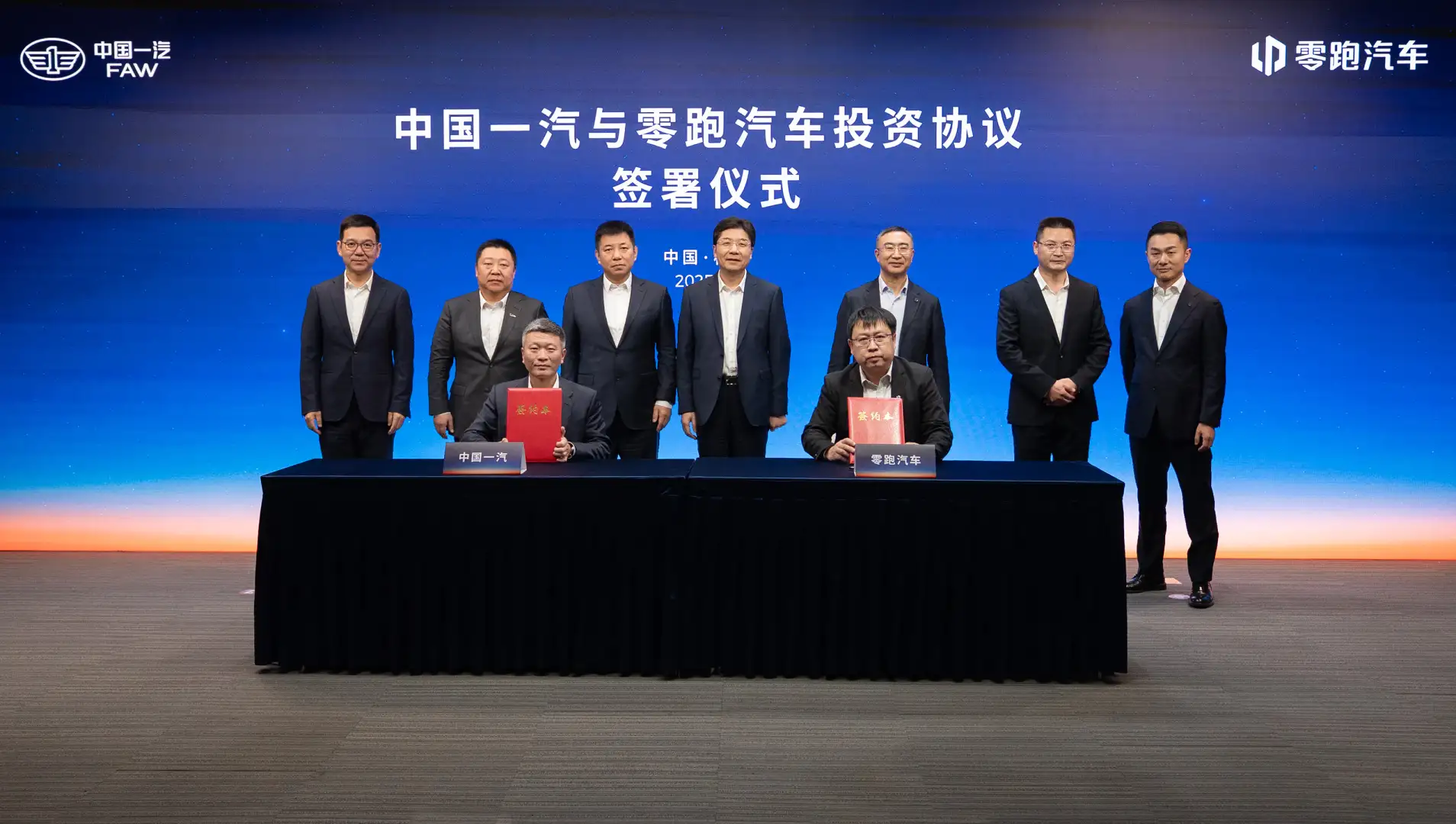
Under the meticulously structured terms of the deal, 50% of FAW’s $533 million investment will be channeled directly into research and development initiatives, reflecting both companies’ commitment to technological advancement in the rapidly evolving electric vehicle sector. Another 25% will strengthen Leapmotor’s working capital and support general corporate purposes, while the remaining 25% will fund the expansion of the company’s sales and aftersales service network across domestic and international markets.
The partnership builds on Stellantis’ transformative investment in late 2023, when the multinational automaker committed €1.5 billion to acquire approximately 20% of Leapmotor, marking a decisive turning point in the Chinese startup’s growth trajectory. That agreement also led to the formation of Leapmotor International, a 51/49 Stellantis-led joint venture with exclusive rights for export, sale, and manufacturing of Leapmotor products outside Greater China.
Leapmotor’s Remarkable Financial Turnaround
Financial results from 2025 have demonstrated the tangible impact of these strategic partnerships. Leapmotor achieved net profit of ¥30 million ($4.2 million) in the first half of 2025, marking its first-ever profitable half-year period and making it only the second Chinese electric vehicle startup after Li Auto to achieve half-year profitability. This milestone came after years of losses that have plagued most Chinese EV startups as they invested heavily in technology development and manufacturing capacity.
Revenue for the first half of 2025 surged 174% year-over-year to ¥24.25 billion, driven by robust vehicle deliveries and strategic collaborations. The company’s gross margin reached a record 14.1%, up 13 percentage points from 1.1% in the same period of 2024, attributed to economies of scale, ongoing cost management, product mix optimization, and gains from other business segments.
Vehicle sales performance has exceeded expectations throughout 2025. Leapmotor delivered 221,664 vehicles in the first half of the year, representing a year-over-year increase of 155.7%. The company achieved monthly deliveries exceeding 70,000 units in November, bringing January-November deliveries to 536,132 units and surpassing its initial 2025 sales target well ahead of schedule. By mid-November, Leapmotor had already reached 500,000 vehicles sold year-to-date, 45 days ahead of schedule. For the full year 2025, the company’s sales approached 596,555 units, placing it first among China’s EV startups.
Given this remarkable momentum, Leapmotor raised its full-year 2025 sales target from the initial range of 500,000 to 600,000 units to 580,000 to 650,000 units. Looking further ahead, the company has set an ambitious target of reaching annual sales of 1 million vehicles globally in 2026 and achieving 4 million annual sales within the next decade.
Joint Vehicle Development and Future Product Pipeline
As part of their collaborative roadmap, FAW and Leapmotor plan to unveil their first jointly developed and manufactured vehicle in 2027. This milestone vehicle aims to accelerate competitiveness in the global electrified vehicle market and represents what Leapmotor founder, chairman, and CEO Zhu Jiangming described as “a new pattern of cooperation between a state-owned enterprise and a private company.”
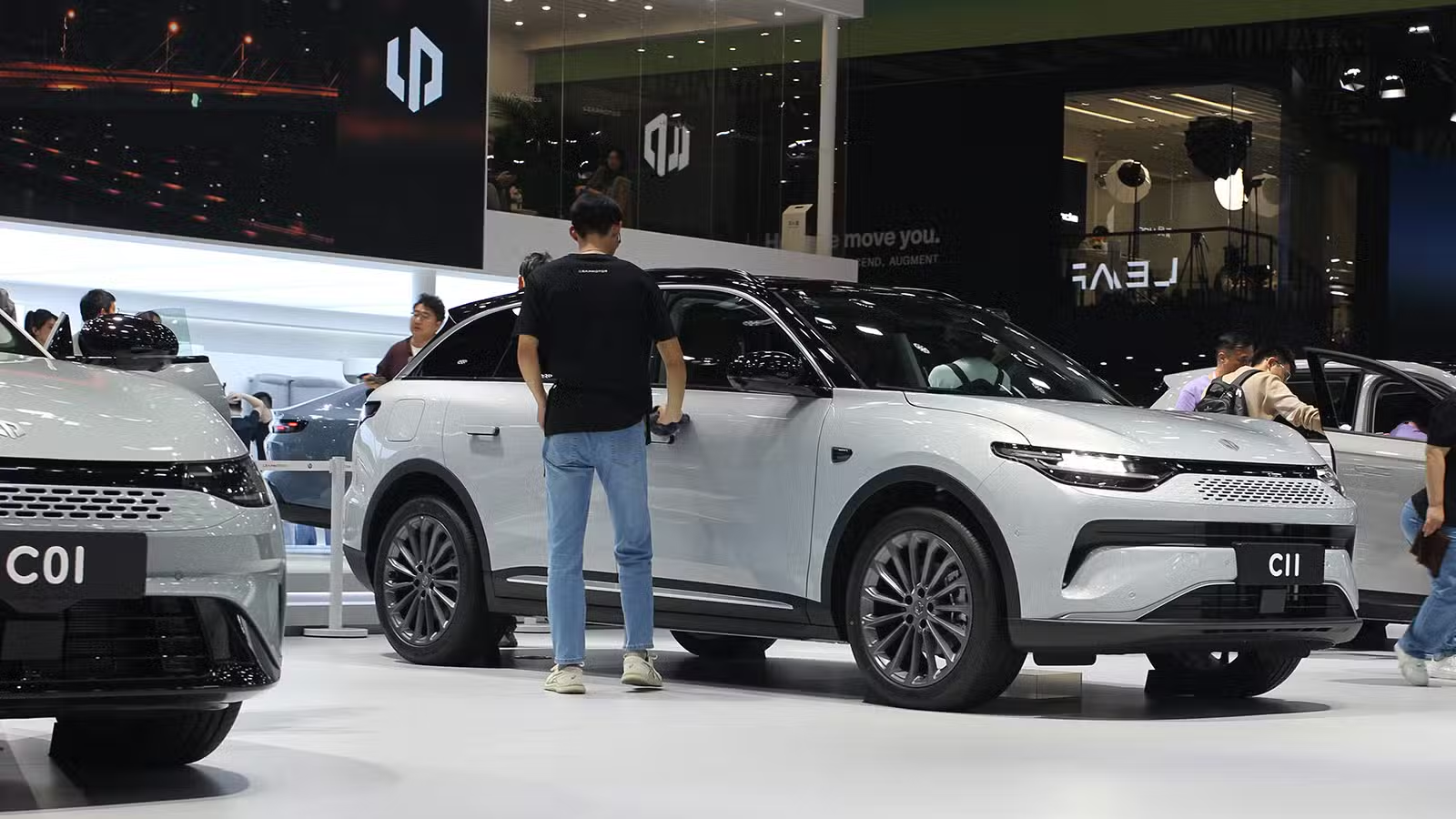
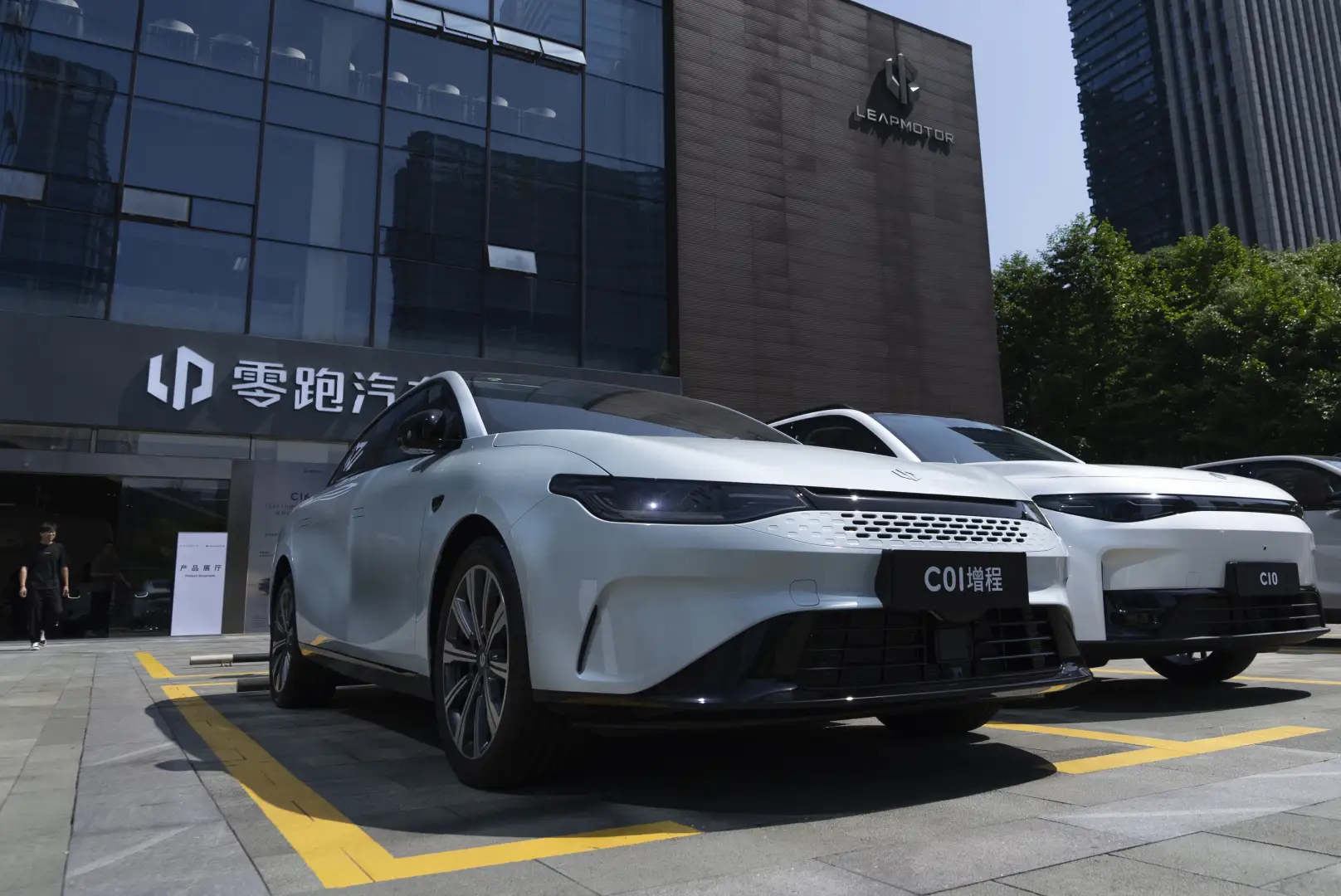
Leapmotor has already built a strong reputation for offering intelligent electric vehicles with features comparable to Tesla’s Shanghai-made Model 3 and Model Y vehicles, but at less than half the price. The company’s product lineup currently includes the C10 mid-sized family SUV, the C11 performance SUV, the six-seat C16, the C01 sedan, the B01 sedan, and the compact B10 SUV. The B10, launched earlier in 2025 at a starting price of ¥109,800 ($15,300), quickly became the company’s fastest-selling model, with deliveries exceeding 10,000 units in its second month on the market.
The company is also preparing to launch flagship D-series models including the D19 SUV and the D99 minivan in 2026. These vehicles will feature extended-range electric vehicle (EREV) variants with 80.3 kWh batteries, targeting the premium segment of the market and demonstrating Leapmotor’s ambitions to move up the value chain.
Beijing’s Comprehensive Latin American Strategy
The FAW-Leapmotor partnership unfolds against a broader backdrop of China’s strategic pivot toward Latin America. In December 2025, Beijing unveiled a new comprehensive policy roadmap for Latin America and the Caribbean, the third such document since 2008 and a replacement for the 2016 plan. At 9,332 characters, the 2025 paper is significantly longer and more detailed than its predecessors, clocking in at 7,439 and 4,891 characters in 2016 and 2008 respectively.
Chinese authorities have identified multiple sectors for potential collaboration with the region, including artificial intelligence, telecommunications, renewable energy, hydrogen technology, mining, and mineral processing. The plan also prioritizes infrastructure development in transportation, logistics, housing, electricity, and urban projects under China’s Belt and Road Initiative (BRI). To date, more than 20 Latin American countries have joined the BRI cooperation framework, though the region’s share of BRI investments has declined in recent years.
Despite this decline in Belt and Road investments specifically, China’s overall engagement with Latin America remains robust. The strategic focus on the region comes as Latin America emerges as a crucial alternative market for China’s foreign trade amid ongoing trade tensions with the United States. The numbers tell a compelling story: by November 2025, while Chinese exports to the United States fell 18%, shipments to Latin American countries increased nearly 8% to approximately $276 billion.
This represents a dramatic shift in trade patterns. Over the past two decades, Chinese exports to the region have grown almost elevenfold, driven mainly by manufactured goods and, more recently, electric vehicles in markets such as Brazil. The export mix is particularly striking: in the first five months of 2025, Brazil imported approximately 130,000 Chinese electric vehicles—a tenfold increase from the same period in 2024, with automakers like BYD and Great Wall investing in local manufacturing facilities.
Imports from Latin America to China have increased fourteen times over this period, dominated by iron, copper, soybeans, and oil. China is expected to account for the biggest export increase by value for the region in 2025, with regional shipments to China rising by 7%, due mainly to growth in meat and soybean sales as well as higher prices for minerals such as copper.
One decision can change your entire career. Take that step with our Online courses in ACCA, HESI A2, ATI TEAS 7, HESI EXIT, NCLEX-RN, NCLEX-PN, and Financial Literacy. Join Serrari Ed and start building your brighter future today.
Strategic Implications and Market Context
The timing of these developments is particularly significant. As the United States under President Donald Trump has imposed substantial tariffs on Chinese goods—reaching as high as 145% at one point in 2025 before being reduced to 47.5%—China has rapidly redirected its export flows. Chinese exports to ASEAN rose 14.8% in the first nine months of 2025, while exports to India rose 12.9% and to Africa increased 28.2%. Latin America saw a 7% increase in Chinese exports during the same period.
In May 2025, President Xi Jinping hosted heads of state and business executives for the China-CELAC Forum (Community of Latin American and Caribbean States) in Beijing, signaling China’s commitment to deeper engagement with the region. The fourth ministerial meeting of the forum took place in Beijing, where Xi unveiled new initiatives and measures to promote closer ties, emphasizing principles of equality, mutual benefit, and common development.
However, analysts caution against overestimating China’s influence in the region. Capital Economics notes that Latin America exports three times more to the United States than to China, though much of that is attributable to Mexico. Even excluding Mexico, exports to the United States remain comparable to those sent to China, highlighting the region’s continued economic ties with its northern neighbor.
Competitive Dynamics in China’s EV Market
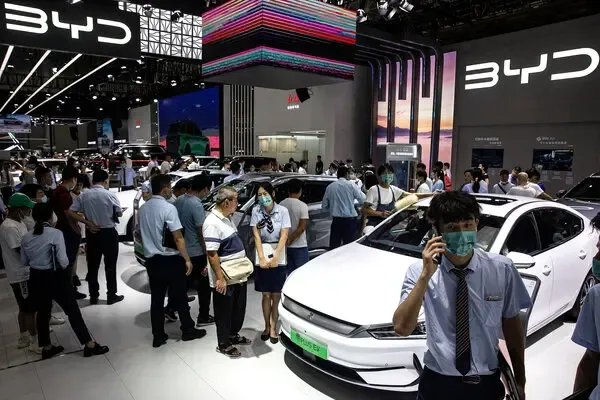
Leapmotor’s success comes amid intense competition in China’s electric vehicle market. The company competes against established players like BYD—which dominates the domestic market—as well as U.S. automaker Tesla and domestic startups including Li Auto, Nio, and Xpeng. Traditional vehicle companies have struggled to transition to electric vehicle manufacturing quickly enough, hampering their growth in the Chinese market.
Founded in 2015 in Hangzhou by Zhu Jiangming and co-founder Fu Liquan, who had previously established security-camera manufacturer Dahua Technology, Leapmotor remained an underdog in its early years with sales volumes trailing far behind industry leaders. The company’s turnaround has been driven by its unique vertical integration model and full-suite of in-house R&D and manufacturing capabilities.
A key differentiator has been Zhu’s insistence that the company develop as many of its own electrical components as possible to keep costs down, allowing Leapmotor to offer vehicles with advanced features at highly competitive prices. The company’s focus on cost efficiency has led to it being described as a “more affordable Li Auto,” with self-developed and self-manufactured parts accounting for approximately 60% of total vehicle cost.
International Expansion Through Strategic Partnerships
Leapmotor’s international expansion has accelerated through its partnership with Stellantis. Leapmotor International began operations in September 2024, initially launching the T03 and C10 models in nine European countries, including Germany, France, Italy, and Spain. The company has since built a network of more than 700 retail points across 35 countries.
Overseas sales are expected to account for 10% of Leapmotor’s revenue in 2026, double the proportion from 2025, according to the company’s chief operating officer Xu Jun. In Germany, Leapmotor captured over 1% of the battery electric vehicle market in June 2025, while European orders topped 4,000 in July. The company plans to build a localized production facility in Europe by the end of 2026, with the B-series models leading its regional rollout.
The strategic investment by FAW, combined with Leapmotor’s existing partnership with Stellantis, positions the company uniquely among Chinese EV startups. It gains access to FAW’s extensive domestic manufacturing capabilities and established brand reputation in China, while Stellantis provides the global distribution network and manufacturing expertise needed for international expansion. This dual-pronged approach addresses both the domestic Chinese market—the world’s largest for electric vehicles—and key international markets in Europe and beyond.
Looking Ahead: Challenges and Opportunities
As Leapmotor pursues its ambitious growth targets, the company faces both opportunities and challenges. The Chinese automotive market is experiencing significant headwinds, with analysts projecting the first contraction since 2020 in 2026. Deutsche Bank analysts forecast total vehicle deliveries in China would plunge 5% in 2026, while JPMorgan projected total China car sales—both petrol-based and EVs—would drop between 3% and 5%, owing to industry overcapacity issues and softening government support.
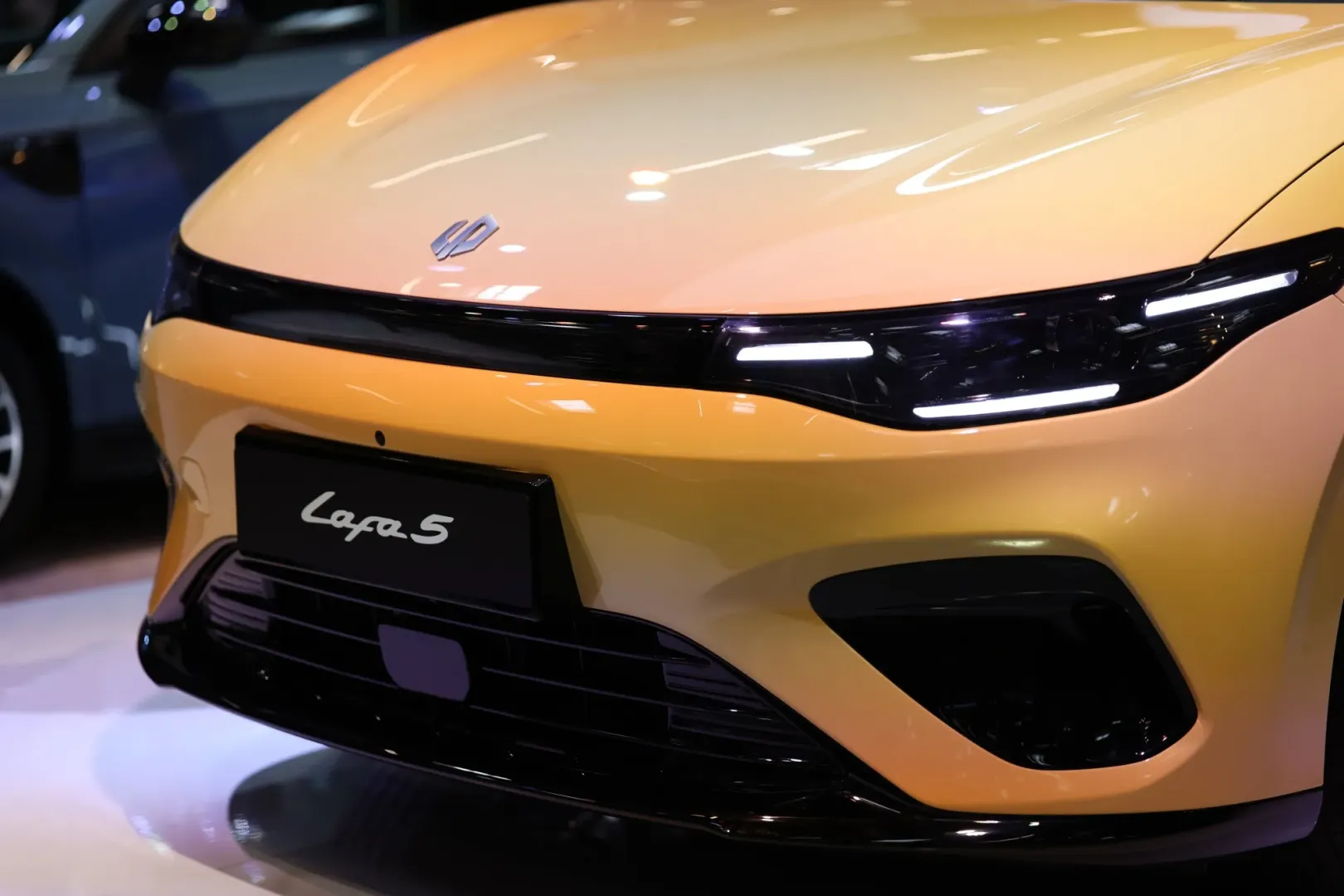
Despite these headwinds, Leapmotor’s management remains optimistic, with CEO Zhu Jiangming projecting that achieving sales of 1 million units in 2026 would likely vault Leapmotor into the No. 3 spot among mainland China’s largest EV makers, behind only BYD and Geely. This confidence is underpinned by the company’s strong product pipeline, including the launch of the Lafa 5 hatchback in November 2025, and the upcoming D-series premium vehicles scheduled for 2026.
The broader geopolitical context also presents both risks and opportunities. As China continues to face trade tensions with the United States and increasing scrutiny of its manufacturing exports in multiple markets, strategic partnerships with established international automakers like Stellantis and state-owned enterprises like FAW provide Leapmotor with crucial legitimacy and market access. At the same time, the company must navigate complex regulatory environments in different markets, including potential trade restrictions and local content requirements.
China’s strategic pivot toward Latin America, meanwhile, opens potential new markets for Chinese electric vehicle manufacturers. While Brazil has already emerged as a major market for Chinese EVs, other countries in the region represent untapped opportunities. The development of infrastructure projects under the Belt and Road Initiative, including major ports like the Chancay megaport in Peru, could facilitate easier access for Chinese automotive exports to the region.
For Leapmotor specifically, the company’s affordable pricing strategy and proven track record in China position it well to compete in price-sensitive Latin American markets. However, success will depend on building local service networks, adapting products to regional preferences, and navigating varying regulatory frameworks across different countries.
As the electric vehicle industry continues its rapid evolution, Leapmotor’s strategic investments, technological partnerships, and ambitious expansion plans reflect broader trends shaping the global automotive landscape. The convergence of Chinese manufacturing prowess, international distribution networks, and growing global demand for affordable electric vehicles creates conditions for continued growth—even as traditional market dynamics shift in response to geopolitical tensions and changing trade patterns.
The coming years will test whether Leapmotor can execute on its ambitious vision of becoming a global player in the electric vehicle market, challenging established automakers while navigating an increasingly complex and contested competitive landscape. With strong financial backing, proven technology capabilities, and strategic partnerships spanning both China’s state-owned enterprises and international automotive giants, the company appears well-positioned to pursue these goals—though success is far from guaranteed in an industry characterized by rapid technological change, intense competition, and evolving regulatory frameworks worldwide.
Ready to take your career to the next level? Join our Online courses: ACCA, HESI A2, ATI TEAS 7 , HESI EXIT , NCLEX – RN and NCLEX – PN, Financial Literacy!🌟 Dive into a world of opportunities and empower yourself for success. Explore more at Serrari Ed and start your exciting journey today! ✨
Track GDP, Inflation and Central Bank rates for top African markets with Serrari’s comparator tool.
See today’s Treasury bonds and Money market funds movement across financial service providers in Kenya, using Serrari’s comparator tools.
photo source: google
By: Montel Kamau
Serrari Financial Analyst
7th January, 2026