
During the World Government Summit (WGS) in Dubai, Kristalina Georgieva, Managing Director of the International Monetary Fund (IMF), emphasized the potential for fiscal reform in the Middle East and North Africa (MENA) region.
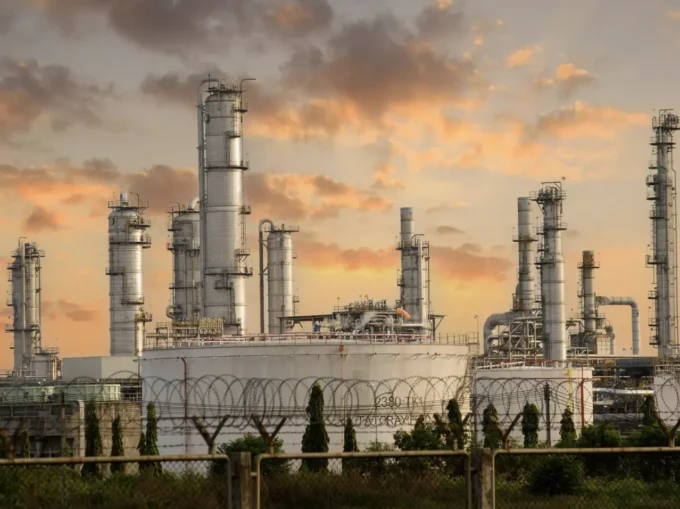
Georgieva highlighted the substantial benefits of phasing out explicit energy subsidies, projecting a potential $336 billion in savings. This figure, equivalent to the combined economies of Iraq and Libya, underscores the immense fiscal impact of subsidy reform.
Beyond the financial gains, Georgieva stressed the additional benefits, including environmental improvements through reduced pollution and enhanced social spending opportunities.
Drawing from successful examples in Egypt, Jordan, and Morocco, Georgieva advocated for comprehensive subsidy reform plans. These plans, characterized by effective public communications, gradual price adjustments, and targeted assistance for vulnerable populations, have proven successful in other contexts.
In addition to subsidy reform, Georgieva emphasized the importance of revenue mobilization and improving the efficiency of state-owned enterprises (SOEs). She outlined strategies to enhance tax capacity through institutional strengthening, framework improvements, and more effective revenue collection mechanisms.
The World Government Summit serves as a platform for these crucial discussions, gathering stakeholders from governments, international organizations, thought leaders, and the private sector. Under the theme of ‘Shaping Future Governments,’ the summit provides an opportunity to chart the course of governance in a rapidly evolving global landscape.
Georgieva’s call for subsidy reform resonates as a pragmatic approach to fiscal responsibility and environmental stewardship, offering a pathway to economic transformation in the MENA region.
By: Montel Kamau
Serrari Financial Analyst
12th February, 2024