

Meta: Money market funds face yield compression as Fed maintains 3.5%-3.75% rates while institutional demand remains strong in 2026.
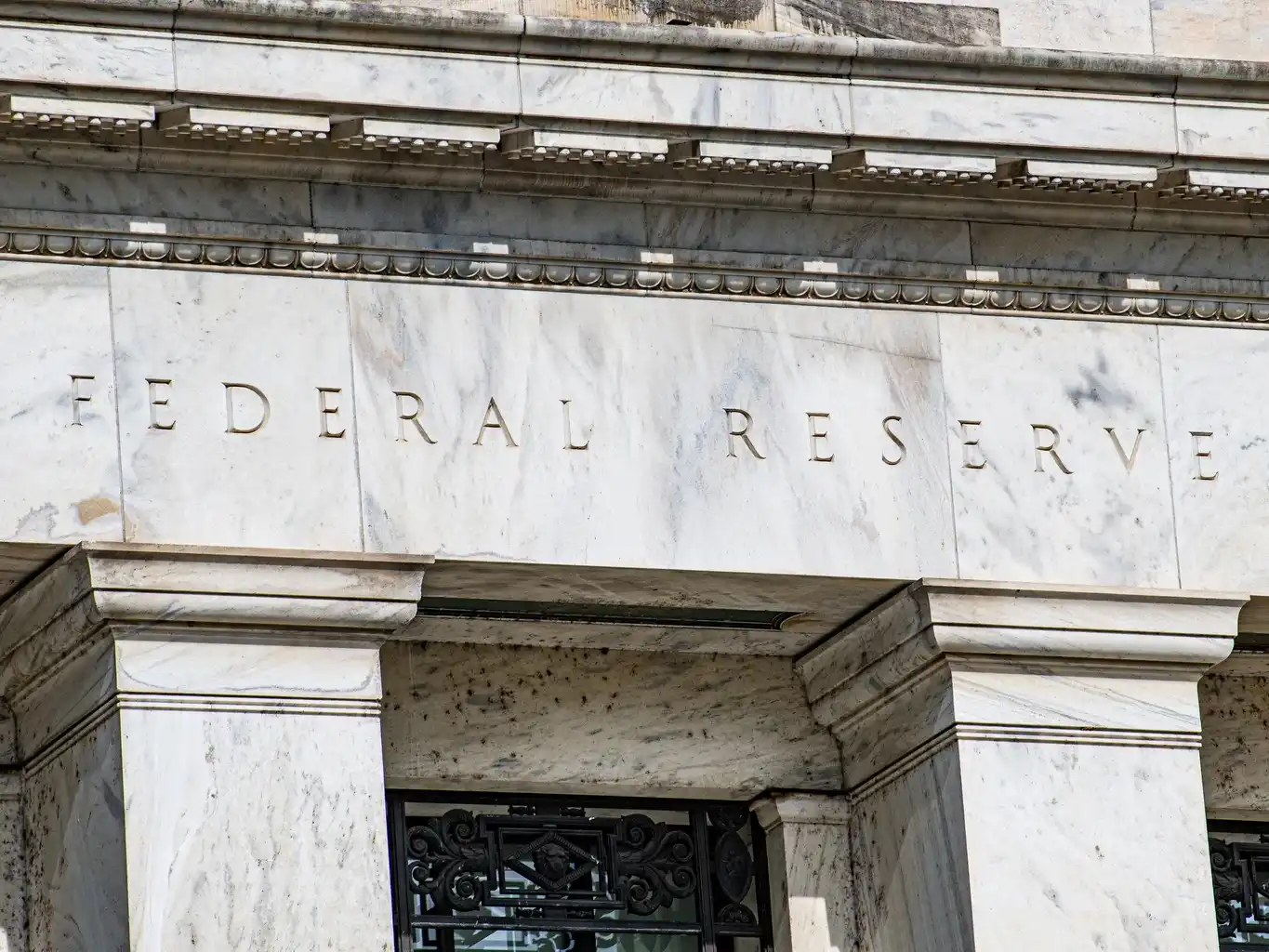
The money market landscape in 2026 presents a complex picture for investors seeking short-term returns. As the The Federal Reserve maintained its benchmark rate at 3.50-3.75% during its January meeting, the trajectory for money market funds reflects a period of consolidation following the aggressive rate-cutting cycle of late 2025. Understanding the current environment requires examining yield trends, investor behavior, and the structural changes reshaping this critical segment of the fixed income market.
Build the future you deserve. Get started with our top-tier Online courses: ACCA, HESI A2, ATI TEAS 7, HESI EXIT, NCLEX-RN, NCLEX-PN, and Financial Literacy. Let Serrari Ed guide your path to success. Enroll today.
The money market fund landscape has undergone significant transformation since the aggressive tightening cycle ended. After the Federal Reserve slashed rates three times between September and December 2025—reducing the federal funds rate from higher levels—money market funds have stabilized at attractive but declining yields. Current rates for competitive Money market accounts stand around 3.65% APY, significantly outpacing the national average of just 0.44 percent. This substantial spread highlights the continuing advantage of actively managed money market funds over traditional savings vehicles, though the differential is narrowing as overall yield compression continues.
The structural advantages of money market funds have become increasingly evident in March 2026. These funds continue to attract substantial investor capital, demonstrating their utility in portfolio construction during periods of economic uncertainty. The The Federal Reserve’s latest interest rate data reveals that short-term rates remain elevated relative to historical norms, supporting continued demand for money market instruments. Institutional investors have maintained their allocation to money market funds, viewing them as reliable vehicles for excess cash balances and liquidity management. This institutional support has helped maintain fund sizes even as yields begin their inevitable decline cycle.
Expense Ratios and Net Returns
One of the most significant developments in the money market space concerns expense ratios and net yields. Major fund providers such as Vanguard have maintained competitive Expense ratios ranging from 0.07% to 0.12%, effectively pricing these funds at levels that preserve investor returns. This competitive environment ensures that investors capture most of the underlying yield benefits without excessive drag from management fees. The distinction between gross yields and net yields has become increasingly important as investors seek to maximize returns in a declining rate environment. Vanguard’s continued commitment to low-cost index investing has set industry benchmarks that competitors must match, benefiting retail and institutional investors alike.
The competitive pressure on expense ratios reflects the maturation of the money market fund industry and the increasing availability of comparable products from multiple providers. Investors shopping diligently among providers can ensure they receive net yields close to the gross yields underlying money market funds. The savings from maintaining exposure to high-quality assets while minimizing expense ratios prove substantial over extended periods and justify the effort of selecting appropriate fund managers.
Asset Composition and Positioning
The composition of money market fund assets has shifted notably in recent months. According to Federal Reserve data, total financial assets in money market funds represent a significant portion of the broader financial system. The evolution of these holdings reflects changing investor expectations regarding Federal Reserve policy. As market participants digested the central bank’s January decision to hold rates steady, the consensus shifted toward anticipating cuts later in 2026 rather than in the immediate term. This expectation has influenced fund managers’ positioning, with an emphasis on maintaining flexibility to capture better entry points should yields decline further.
The allocation decisions made by fund managers regarding maturity positioning and credit quality have significant implications for yields available to investors. Managers anticipating rate declines may shorten maturities to reduce duration risk and maintain flexibility. Conversely, managers confident in continued rate stability might extend slightly into longer-term instruments to capture incremental yield. These tactical decisions can generate meaningful return differentials across different fund managers, making fund selection consequential for sophisticated investors.
Industry Asset Management Strategies
Asset management firms across the industry are adjusting their strategy in response to the current monetary environment. Organizations like Goldman Sachs continue to publish regular rate sheets reflecting market conditions, though individual fund performance varies based on portfolio construction and management approach. The divergence between different fund families’ returns has widened slightly, rewarding investors who conduct thorough due diligence in fund selection. Premium fund managers who maintain active trading strategies and optimize their holdings have demonstrated the ability to deliver incremental returns even in this compressed yield environment.
The opportunity for active management to add value in money market funds reflects market inefficiencies and the complexity of portfolio optimization. Managers with sophisticated trading systems, strong credit analysis capabilities, and deep market relationships can identify attractive opportunities that reward active management fees. However, the majority of investors should focus on lower-cost index-tracking or passive money market funds that provide reasonable yields with minimal fees.
Federal Reserve Policy and Rate Expectations
The outlook for money market funds in the months ahead depends critically on Federal Reserve policy decisions. Traders are currently pricing in the possibility of rate reductions beginning in the third quarter of 2026, though the timing remains uncertain. Should the Fed maintain its current stance throughout the first half of the year, money market yields will likely stabilize at current levels before declining as the cutting cycle progresses. Conversely, if economic data deteriorates more quickly than expected, accelerated rate cuts could compress yields faster than anticipated. Investors should monitor Economic data releases and FOMC commentary closely to anticipate potential shifts in the policy trajectory.
The precision of Fed policy timing significantly impacts money market returns. Investors comfortable with current rate stability can maintain allocations in money market funds with confidence that near-term yields will remain consistent. Those anticipating near-term rate cuts might reduce allocation or shorten maturity positioning to minimize losses from declining yields. The tension between exploiting current attractive yields and avoiding the capital losses from rates declining sooner than expected requires careful evaluation of individual investment time horizons and convictions regarding Fed policy.
Government and Prime Fund Dynamics
One decision can change your entire career. Take that step with our Online courses in ACCA, HESI A2, ATI TEAS 7, HESI EXIT, NCLEX-RN, NCLEX-PN, and Financial Literacy. Join Serrari Ed and start building your brighter future today.
The competitive dynamics within the money market fund space highlight an important distinction between actively managed funds and government-only alternatives. Government-only money market funds, which invest exclusively in Treasury bills and repurchase agreements backed by government securities, typically offer slightly lower yields but provide enhanced safety considerations. These funds have attracted increasing attention from risk-averse investors concerned about credit deterioration or financial system stress. However, the higher-yielding prime funds, which invest in commercial paper and other short-term corporate instruments, continue to dominate in terms of asset accumulation, as investors remain confident in credit fundamentals during the current economic cycle.
The credit quality distinction between government funds and prime funds has become more relevant in 2026 as investors assess the durability of current credit conditions. Prime money market funds offer 30-50 basis points of incremental yield compared to government alternatives, which justifies the additional credit risk for most investors. However, those concerned about corporate credit deterioration should consider moving some allocation to government funds to reduce credit risk exposure.
Risk Management and Portfolio Integration
Risk management considerations have become increasingly salient in money market fund analysis. While these instruments are generally considered among the safest investment options available, subtle credit risks exist. The composition of a fund’s holdings—whether it emphasizes Treasury instruments, agency repurchase agreements, or prime commercial paper—significantly impacts both yields and risk profiles. Investors should carefully review fund prospectuses and fact sheets to understand the exact composition of assets. The variety of approaches available in the marketplace ensures that there are suitable options across the risk-return spectrum, from conservative Treasury-only portfolios to more aggressive prime money market funds seeking maximum yield.
The integration of money market funds into broader portfolio construction should reflect explicit risk tolerance and liquidity needs. Conservative investors and those with short-term cash needs should favor government-only funds providing maximum safety. Investors comfortable with modest credit risk and seeking maximum yield should consider prime money market funds. The selection of appropriate fund types should align with overall portfolio objectives and risk management frameworks.
Technological Accessibility
Technological developments continue to influence money market fund accessibility and operations. Digital banking platforms have made it easier for retail investors to access competitive money market rates previously available only to institutional investors with larger minimum deposits. This democratization of the market has increased competition among fund providers and has contributed to higher average yields across the industry. Mobile applications and online interfaces allow investors to monitor their positions in real-time and make rapid adjustments to their allocation strategies. The integration of money market funds into broader financial planning platforms has further enhanced their utility for comprehensive portfolio management.
The reduced minimum investment thresholds available through digital platforms have particularly benefited individual investors seeking to maintain meaningful money market allocations. The ability to establish money market positions with $1,000 or less at many providers has expanded access to competitive yields and reduced the friction of maintaining diversified money market positions across multiple providers.
Forward-Looking Positioning
Looking forward, the money market fund landscape appears poised for gradual change rather than dramatic disruption. The structural position of these funds as essential tools for short-term liquidity management ensures continued relevance regardless of the interest rate environment. However, investors should prepare for the likelihood of declining yields throughout 2026 and beyond. Those seeking to maximize returns should consider locking in current rates through ladder strategies or adjusting the maturity profile of their money market allocations. Financial advisors and individual investors alike should engage in continuous monitoring of fund performance metrics and expense ratios to ensure their allocations remain optimal as market conditions evolve.
The disciplined approach to money market fund management involves regular review of competing products, evaluation of fund expenses and net yields, and deliberate positioning decisions aligned with forward rate expectations. Investors maintaining this discipline should successfully navigate the declining rate environment while optimizing returns within appropriate risk parameters.
Ready to take your career to the next level? Join our Online courses: ACCA, HESI A2, ATI TEAS 7 , HESI EXIT , NCLEX-RN and NCLEX-PN, Financial Literacy! 🌟 Dive into a world of opportunities and empower yourself for success. Explore more at Serrari Ed and start your exciting journey today! ✨
Track GDP, Inflation and Central Bank rates for top African markets with Serrari’s comparator tool.
See today’s Treasury bonds and Money market funds movement across financial service providers in Kenya, using Serrari’s comparator tools.
Photo Source: Google
By: Montel Kamau
Serrari Financial Analyst
9th March, 2026