

The sustainable finance market in 2026 represents one of the most consequential transformations reshaping global capital allocation and investment decision-making processes. The expansion of sustainable finance from niche category to increasingly mainstream investment consideration reflects fundamental shifts in how institutional investors, central banks, and corporations assess financial risk and opportunity. Understanding this transformation requires examination of the regulatory drivers mandating climate and sustainability considerations, the investment implications of this shift, and the tensions between global sustainable finance expansion and localized political opposition in certain jurisdictions.
Build the future you deserve. Get started with our top-tier Online courses: ACCA, HESI A2, ATI TEAS 7, HESI EXIT, NCLEX-RN, NCLEX-PN, and Financial Literacy. Let Serrari Ed guide your path to success. Enroll today.
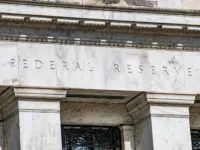
The integration of environmental and climate considerations into financial system regulation represents a historic development with profound implications for how capital is allocated and risks are assessed. ESG considerations are now embedded in banking decisions, driven by climate stress testing by central banks and stricter disclosure requirements. Central banks worldwide, including the Federal Reserve and international regulatory bodies, are mandating that financial institutions assess their exposure to climate and environmental risks. This regulatory requirement transforms climate considerations from voluntary corporate policies to mandatory elements of financial risk management. The implications extend far beyond green finance to reshape how institutions evaluate counterparty risk, collateral quality, and strategic asset allocation.
The scale of sustainable finance market expansion demonstrates the magnitude of capital flows integrating sustainable considerations. Sustainable finance market is expanding to $15.06 trillion in 2026 from $13.4 trillion in 2025, and is projected to approach $26.93 trillion by 2031, growing at a CAGR of 12.34%. These figures represent meaningful portions of total global financial assets and demonstrate that sustainable finance has become a significant market category rather than a specialized niche. The growth trajectory suggests that sustainable finance integration into mainstream investing will only accelerate in coming years, creating important implications for investors in all geographic regions and asset classes.
ESG Integration Mechanics and Implementation
The mechanics of sustainable finance integration into institutional investment processes deserve careful examination to understand how considerations of environmental impact and climate risk are being operationalized. Environmental, Social, and Governance (ESG) scoring systems assess companies across dimensions including carbon emissions, environmental remediation, labor practices, corporate governance, and other factors. Institutional investors use these scores to evaluate investment opportunities, screen portfolios, and assess risk profiles. The proliferation of ESG scoring systems has created complexity, as different providers’ scores sometimes diverge meaningfully, creating challenges for investors seeking to consistently apply sustainability standards across portfolios.
The standardization of ESG metrics and disclosure requirements remains a work in progress, with regulatory bodies worldwide developing frameworks to create consistency. The U.S. Securities and Exchange Commission, the European Union, and other regulators are establishing mandatory climate and ESG disclosure standards that should improve comparability across companies and jurisdictions. The eventual adoption of consistent metrics and methodologies should reduce the current confusion regarding ESG assessment and improve the utility of ESG information for investment decision-making.
Climate Finance Effectiveness and Additionality
The relationship between sustainable finance investment and climate outcomes warrants careful examination to assess whether increased sustainable finance flows are achieving genuine environmental benefits. Some research suggests that sustainable finance adoption has caused modest shifts in corporate behavior and capital allocation toward environmental goals. However, critics argue that much of the sustainable finance market involves relabeling existing investments as sustainable without meaningfully changing capital allocation or corporate behavior. The evidence regarding climate finance additionality remains mixed, suggesting that the market is still developing mechanisms to ensure that sustainable finance genuinely drives environmental outcomes.
The challenge of ensuring that sustainable finance achieves genuine environmental impact rather than simply relabeling existing investments remains consequential. Investors committed to climate outcomes should demand evidence that sustainable finance is marginal—that investments would not proceed absent the sustainable finance designation. The development of standardized approaches to additionality assessment could improve the environmental efficacy of sustainable finance markets and enhance confidence that sustainable investments are genuinely advancing climate goals.
Geographic Divergence in Sustainable Finance
The divergence between global sustainable finance expansion and localized political opposition in specific jurisdictions creates an unusual situation where market trajectories differ substantially across geographies. Europe leads in sustainable finance issuance while North America remains subdued, reflecting policy environment differences across regions. The European Union’s comprehensive regulatory framework supporting sustainable finance, including the Green Taxonomy and Sustainable Finance Disclosure Regulation, creates an accommodative environment. The United States market, by contrast, faces political uncertainty regarding climate policy and cultural opposition to ESG considerations in some constituencies. This creates an environment where American corporations and investors may be disadvantaged relative to international peers in accessing sustainable finance markets and demonstrating environmental credentials.
The competitive disadvantage created by the U.S. ESG backlash extends beyond financial markets to influence corporate strategy and investor positioning. American corporations aware of political opposition to ESG initiatives may become reluctant to pursue environmental strategies that emphasize sustainability narratives. Investors in ESG-skeptical constituencies may face pressure to avoid ESG-labeled strategies despite their potential effectiveness in managing environmental risks. The net effect could be reduced corporate investment in environmental initiatives and suboptimal capital allocation from a risk-management perspective.
Investment Performance Implications
The investment performance implications of sustainable finance integration warrant careful analysis to understand whether portfolios emphasizing sustainability considerations generate superior risk-adjusted returns. The research on this question remains contested, with some studies suggesting outperformance and others finding underperformance or minimal differences relative to conventionally constructed portfolios. The lack of consensus regarding performance implications suggests that investors should evaluate sustainable finance primarily on the basis of their values and risk assessment regarding environmental and climate factors rather than expecting sustainable portfolios to consistently outperform on a financial basis. The financial returns and environmental benefits are distinct considerations that may sometimes align but should be evaluated separately.
The absence of clear evidence for sustainable finance performance superiority reflects the nascency of the market and the complexity of isolating ESG factors from other drivers of investment returns. As sustainable finance markets mature and ESG integration becomes more sophisticated, the relationship between environmental management and financial returns may clarify. However, investors should remain appropriately skeptical regarding claims that ESG considerations automatically enhance returns and should evaluate sustainable investments primarily on fundamental investment merits rather than relying on ESG factors as return drivers.
Corporate Capital Allocation Transformation
The implications of sustainable finance expansion for corporate capital allocation and business strategy deserve recognition as potentially transformative. As investors increasingly incorporate sustainability considerations into asset allocation decisions, corporations face incentives to manage their environmental footprints, improve governance structures, and address social considerations. The capital cost advantages available to sustainably-managed corporations create powerful incentives for business transformation. However, the challenge remains in ensuring that these incentives drive genuine environmental progress rather than simply cosmetic adjustments to corporate positioning marketed as sustainability.
The competitive dynamics created by sustainable finance expansion suggest that corporations adapting earliest to environmental standards and ESG considerations could achieve material competitive advantages. The availability of cheaper capital for demonstrably sustainable corporations creates incentives for business model transformation that align shareholder interests with environmental progress. However, the risk remains that these incentives drive superficial marketing rather than fundamental change. Investors should maintain skepticism regarding corporate environmental claims and conduct thorough due diligence regarding the genuineness of corporate sustainability initiatives.
Central Bank Role and Systemic Stability
One decision can change your entire career. Take that step with our Online courses in ACCA, HESI A2, ATI TEAS 7, HESI EXIT, NCLEX-RN, NCLEX-PN, and Financial Literacy. Join Serrari Ed and start building your brighter future today.
The central bank role in advancing sustainable finance integration represents an important development with long-term systemic implications. Central banks are mandating climate stress testing and requiring financial institutions to assess exposure to climate and environmental risks. This regulatory approach reflects recognition that climate risks pose potential threats to financial system stability and that financial institutions must account for these risks in their risk management frameworks. The central bank emphasis on climate risk assessment creates systemic support for sustainable finance market development and ensures that these considerations become embedded in financial institution decision-making.
The regulatory framework mandating climate stress testing transforms climate considerations from optional CSR initiatives to core risk management requirements. Financial institutions must now formally assess how climate change could affect asset values, loan performance, and overall financial stability. This regulatory requirement ensures that sustainable finance considerations permeate decision-making processes and resource allocation across financial institutions regardless of individual commitment to ESG principles.
Technological Infrastructure Development
The technological developments supporting sustainable finance infrastructure deserve attention as important enablers of market expansion. Blockchain-based systems are being developed to track the environmental impact of investments and ensure transparency regarding the use of proceeds from green bonds. Artificial intelligence and advanced analytics are being utilized to assess environmental risk exposure and identify sustainability opportunities. These technological improvements should support continued market development by reducing operational friction and improving transparency regarding environmental outcomes.
The development of standardized data infrastructure for environmental impact assessment could dramatically improve the efficiency of sustainable finance markets. Real-time tracking of environmental outcomes and standardized reporting of impact metrics would enable investors to make better decisions regarding sustainable investments. The continued development of these technological capabilities should accelerate the maturation of sustainable finance markets and improve their effectiveness in achieving environmental objectives.
Portfolio Construction in Sustainable Finance Environment
The implications for portfolio construction in the current sustainable finance environment suggest that investors should integrate sustainability considerations into their decision-making processes while maintaining appropriate skepticism regarding sustainability claims lacking rigorous substantiation. The evidence that sustainable investing can reduce risks related to climate change, regulatory changes, and resource constraints appears robust. However, the case for expecting superior financial returns from sustainability-focused strategies remains uncertain. A balanced approach integrating sustainability considerations while maintaining discipline regarding valuation standards appears most appropriate.
The optimal approach to sustainable investing involves evaluating corporations based on fundamental investment merits while incorporating climate and environmental risk assessments into valuation frameworks. Corporations managing environmental risks effectively should be valued more favorably than those with elevated environmental exposures. However, the valuation premium for environmental management should reflect genuine risk reduction rather than simply rewarding sustainability narratives. The disciplined integration of sustainability considerations into fundamental analysis provides a more robust approach than either ignoring environmental factors entirely or allowing sustainability narratives to override financial fundamentals.
Societal Goals and Broader Impact
The relationship between sustainable finance and broader societal goals regarding climate transition and environmental protection warrants careful consideration. Sustainable finance represents an important tool for directing capital toward environmental solutions and creating incentives for corporate environmental progress. However, the magnitude of capital allocation shift required to achieve meaningful climate progress likely exceeds what sustainable finance markets can accomplish. Public policy, international agreements, and technological innovation will remain essential to driving climate progress beyond what capital market mechanisms can achieve.
The recognition that sustainable finance alone cannot solve climate challenges emphasizes the importance of complementary policy approaches and technological innovation. The combination of market incentives channeled through sustainable finance, regulatory requirements ensuring environmental standards, and technological innovation creating new clean solutions should work synergistically to address environmental challenges. Investors contributing to sustainable finance should maintain realistic expectations regarding the pace of environmental progress while recognizing their role in a broader transformation that requires action across multiple domains.
Future Trajectory and Long-Term Outlook
Looking forward, sustainable finance in 2026 and beyond appears positioned for continued expansion globally despite localized political obstacles in specific jurisdictions. The integration of climate and environmental considerations into regulatory frameworks, central bank policy, and institutional investor decision-making appears likely to accelerate. The implications for capital allocation, corporate strategy, and financial system structure remain substantial and will likely reshape financial markets and corporate behavior across all sectors over the coming years.
The long-term trajectory of sustainable finance expansion suggests that investors maintaining positions in this emerging market category will benefit from the ongoing normalization and growth. However, investors should remain appropriately skeptical regarding specific sustainable finance products and opportunities, conducting thorough due diligence regarding environmental claims and genuine impact. The combination of long-term confidence in market expansion with short-term skepticism regarding specific products provides a balanced approach to navigating the sustainable finance landscape.
Ready to take your career to the next level? Join our Online courses: ACCA, HESI A2, ATI TEAS 7 , HESI EXIT , NCLEX-RN and NCLEX-PN, Financial Literacy! 🌟 Dive into a world of opportunities and empower yourself for success. Explore more at Serrari Ed and start your exciting journey today! ✨
Track GDP, Inflation and Central Bank rates for top African markets with Serrari’s comparator tool.
See today’s Treasury bonds and Money market funds movement across financial service providers in Kenya, using Serrari’s comparator tools.
Photo Source: Google
By: Montel Kamau
Serrari Financial Analyst
9th March, 2026