
In a move aimed at tightening liquidity and enticing foreign investment, Nigeria’s central bank announced a hike in interest rates on short-term debt obligations. The decision, made public on Wednesday, underscores efforts to stabilize the country’s economy amidst inflationary pressures and foreign exchange challenges.
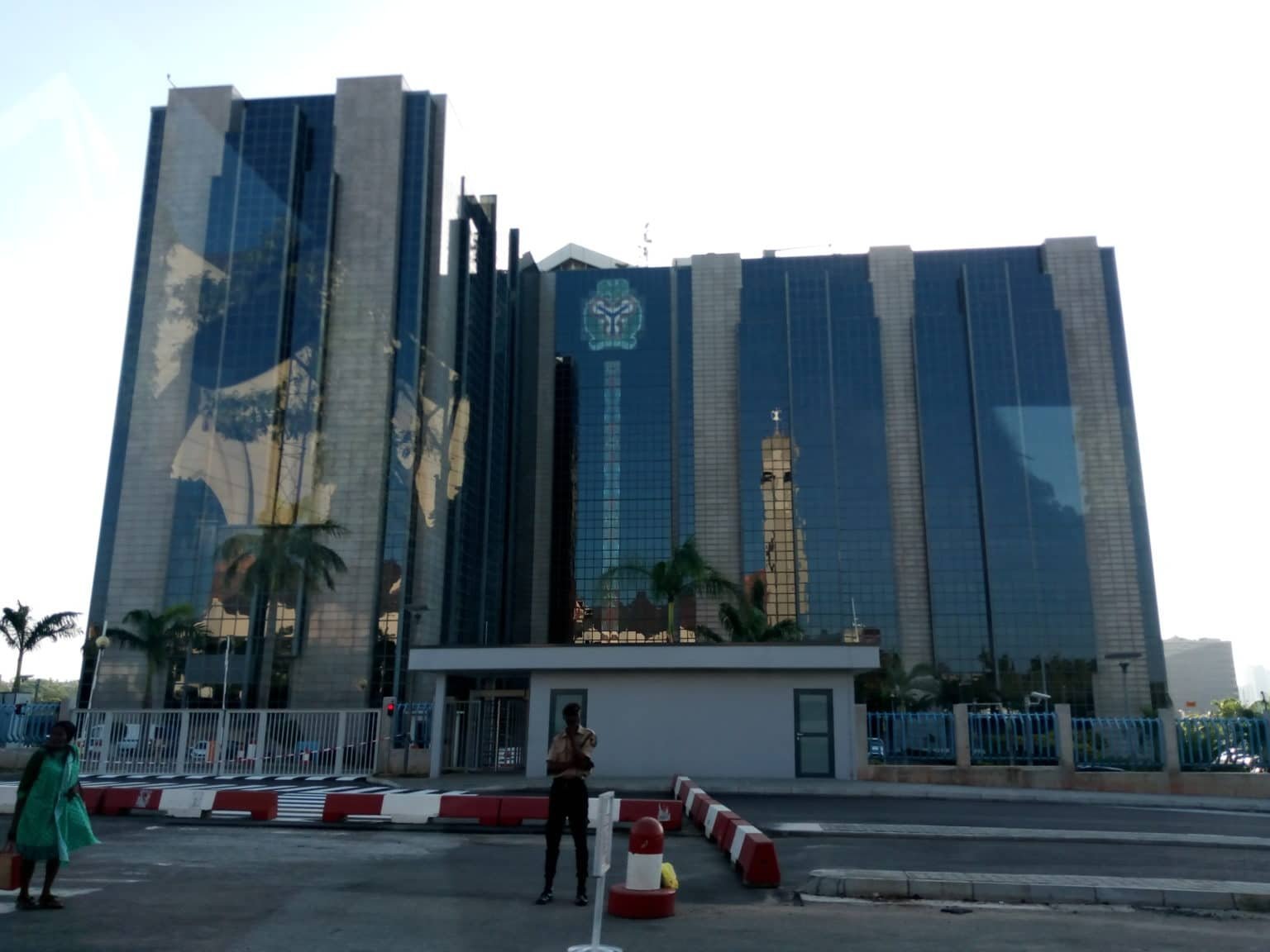
The Central Bank of Nigeria, headquartered in Abuja, initiated the measure by auctioning treasury bills worth one trillion naira ($696 million) to both local and foreign investors. These bills were offered at rates nearly double those of previous auctions. Notably, the one-year treasury bill saw its yield surge to 19%, marking its highest level in 12 years, up from 11.5% in the previous auction held on January 24.
Moreover, the three-month bill was sold at 17.24%, a significant increase compared to the 5% rate offered in January, while six-month notes fetched 18%.
The decision to set the 364-day bill rate at 19% surpasses the central bank’s policy rate, currently standing at 18.75%, for the first time. This move comes amidst soaring inflation rates, which reached nearly three-decade highs of 28.9% in December, narrowing the gap between interest rates and inflation.
The auction signals the central bank’s intent to normalize interest rates in Nigeria, the continent’s most populous nation, as part of efforts to stabilize the national currency, the naira, and attract foreign investors.
Recent reforms by Nigeria’s authorities include the easing of currency controls and introducing measures to revamp the foreign exchange market. These reforms aim to alleviate a dollar shortage that has led to a backlog of unmet demand, estimated at $2.2 billion by the central bank.
The move underscores Nigeria’s commitment to implementing necessary measures to address economic challenges and enhance investor confidence amidst global uncertainties.
By: Delino Gayweh
Serrari Financial Analyst
February 8, 2024