
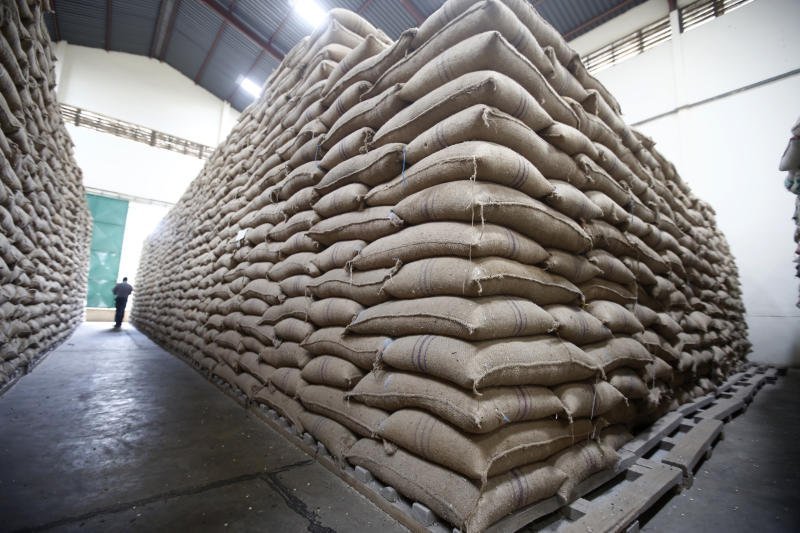
In response to the looming threat of maize lethal necrosis disease, Malawi has taken a strategic step by temporarily banning the import of unmilled maize from its key suppliers, Kenya and Tanzania. The Ministry of Agriculture issued a comprehensive statement, underlining the gravity of the situation. The disease, with no known treatment, poses a serious risk, potentially resulting in a complete loss of yields.
Henry Kamkwamba, an agriculture expert affiliated with the International Food Policy Research Institute, drew attention to the potential consequences, citing historical parallels with the loss of traditional bananas due to lax import policies. This move is a proactive measure to prevent the disease’s introduction into Malawi, a country already grappling with food shortages exacerbated by Cyclone Freddy’s devastation in March.
The ban holds significant implications for Malawi, traditionally reliant on Kenya and Tanzania during periods of food scarcity. The World Food Program in Malawi, in conjunction with the Malawi Vulnerability Assessment Committee, estimates that approximately 4.4 million people—about a quarter of the population—will face food shortages until March 2024.
Grace Mijiga Mhango, President of the Grain Traders Association of Malawi, acknowledged the severity of the maize disease but expressed reservations about potential economic fallout. She cautioned that the ban, implemented during a critical time, might result in higher costs and an unnecessary spike in maize prices.
As Malawi explores alternative sources for maize imports, Mhango suggested South Africa as a potential option. However, she highlighted challenges, including the distance and potential cost implications.
The Malawian government has assured that the ban is temporary, emphasizing its commitment to finding effective solutions to protect the nation’s maize production. Stakeholders closely monitor developments, recognizing the delicate balance between safeguarding against a potential agricultural crisis and mitigating economic challenges.
By: Montel Kamau
Serrari Financial Analyst
27th December, 2023