
In a surprising turn of events, Angola has announced its departure from the Organization of the Petroleum Exporting Countries (OPEC), citing a divergence of interests. This decision, rooted in a dispute over Angola’s 2024 output quota, has raised concerns about the unity within OPEC and its broader coalition, OPEC+.
Angola’s Oil Minister, Diamantino Azevedo, stated that the nation perceives no tangible benefits in continuing its OPEC membership. This move echoes the exits of Ecuador and Qatar in the last decade, underscoring a shift in the dynamics of the global oil landscape.
The announcement triggered a 2.4% drop in international oil prices, reflecting immediate market uncertainties. Analysts, while acknowledging the impact on OPEC’s perceived unity, maintain that other heavyweight members are unlikely to follow Angola’s lead.
The disagreement over Angola’s output quota caused a delay in OPEC+’s November policy meeting, where discussions on new output curbs were underway. Observers note a lack of consensus within OPEC, emphasizing internal challenges facing the organization.
Nigeria, another African OPEC member, faces production challenges despite receiving a higher OPEC+ target for 2024, albeit lower than initially sought. This underscores the broader struggles within OPEC to manage output quotas effectively.
With Angola’s departure, OPEC now stands at 12 members, producing approximately 27 million barrels per day—constituting 27% of the 102 million bpd global oil market. This reduction further diminishes OPEC’s market share, down from 34% in 2010.
OPEC and OPEC+ confront additional challenges, including decisions to cut production and increasing output from non-OPEC countries like the United States. Brazil’s anticipated entry into OPEC+ in January adds a new dimension, though the country will not adhere to coordinated output caps.
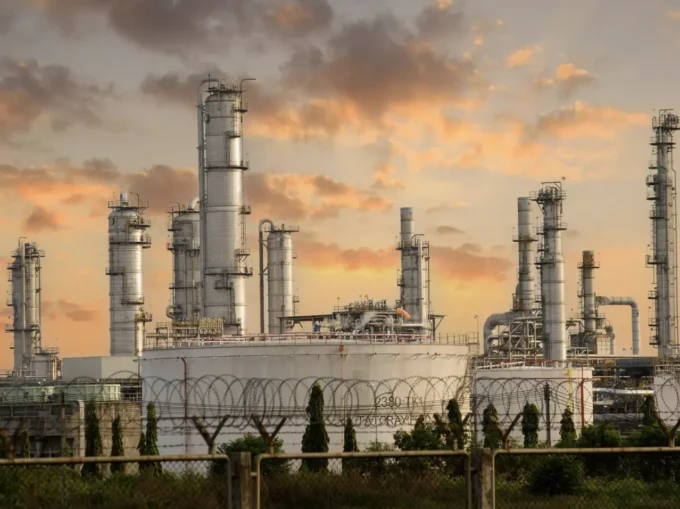
Angola, an OPEC member since 2007, produces 1.1 million barrels of oil per day, contributing to 90% of its total exports. Persistent challenges, including falling investment and a lack of significant new oilfield developments, have hindered Angola’s ability to meet OPEC+ quotas.
Despite these hurdles, Angola aims to maintain current production levels into 2024. The nation, heavily reliant on oil and gas, is actively seeking to diversify its export portfolio following the economic fallout from the COVID-19 pandemic and lower global fuel prices.
Major players in Angola’s oil sector, including TotalEnergies, Chevron, ExxonMobil, and Azule Energy, are now navigating a shifting landscape. Brazil’s impending entry into OPEC+ is anticipated to reshape dynamics within the group, presenting both challenges and opportunities.
Photo (Handan Kazancı)
By: Montel Kamau
Serrari Financial Analyst
21st December, 2023