
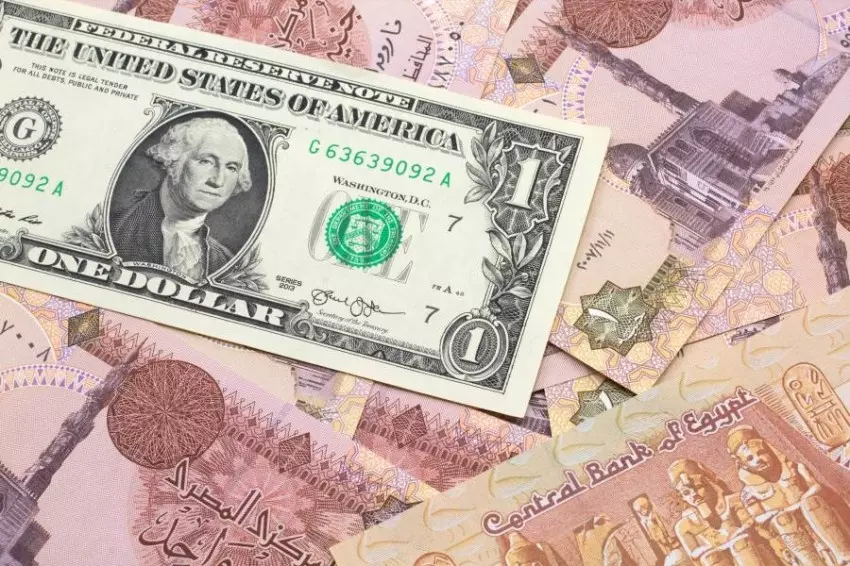
In a recent report, HSBC has delivered a stark warning about Egypt’s economic future, predicting a further depreciation of the Egyptian pound against the US dollar. The forecast, ranging from 45 to 50 EGP, is slated for the first quarter of 2024, adding a layer of complexity to the country’s ongoing economic challenges.
This cautionary note comes against the backdrop of heightened regional tensions, including conflicts in the Gaza Strip and Sudan, which have cast shadows on Egypt’s economic stability. Compounding the issue is the nation’s heavy reliance on the US dollar, with the official exchange rate hovering around 30.90 EGP, while the informal market exceeds 50 EGP.
HSBC’s projections diverge significantly from earlier, more optimistic forecasts that placed the exchange rate between EGP 35 and EGP 40 per US dollar. This shift follows the Central Bank of Egypt’s decision in October of the preceding year to embrace exchange rate flexibility, allowing market forces to play a more prominent role in determining the pound’s value.
To meet the conditions set by the International Monetary Fund (IMF) for its loan program, Egypt has undertaken strategic measures, including the sale of state assets, including army-owned firms, to wealthy Gulf nations. The objective is twofold: attracting foreign currency and reducing the grip of state control, a crucial component of the IMF agreement.
Egypt’s economic vulnerability lies in its heavy dependence on importing essential supplies, notably wheat, instead of tapping into domestic resources. Despite recent government initiatives to decrease reliance on the dollar, the persistent shortage of US dollars in the local market and among investors underscores the challenges faced.
External factors, such as the Russian war on Ukraine and the global repercussions of the COVID-19 pandemic, have further compounded Egypt’s economic woes. As the world’s largest importer of wheat, the nation finds itself navigating hardships in securing a stable supply of basic goods.
Efforts to diversify trade transactions by fostering dollar-free agreements with countries like Russia, China, and India have yet to yield the anticipated benefits. Financial analysts, including Ahmed Hamouda, emphasize the pressing issues of Egypt’s inflation rate and external debts exceeding US$160 billion.
The impending devaluation stands as a critical juncture in Egypt’s economic trajectory. Stakeholders and observers are closely monitoring how this anticipated move will impact the nation’s economic stability in the months ahead.
By: Montel Kamau
Serrari Financial Analyst
18th December, 2023